Ceramic lined pipes are designed for intensive industrial use where wear and abrasion are highly likely. Inserting ceramic wear liners into steel pipes is an excellent way of achieving temperature, corrosion and wear resistance in even the most demanding environments, however ceramic lined pipes do have their limitations and drawbacks.
1. Cost.
They are more expensive to buy than steel or plastic pipes and this up-front cost can be prohibitive to small businesses, though the longevity of ceramic wear liners from companies such as kingfisher-industrial.com/wear-protection/ceramics means that the long-term cost of ownership may be comparable to or even less than the cost of buying and replacing unlined pipes over the same duration.
2. Susceptibility to cracking.
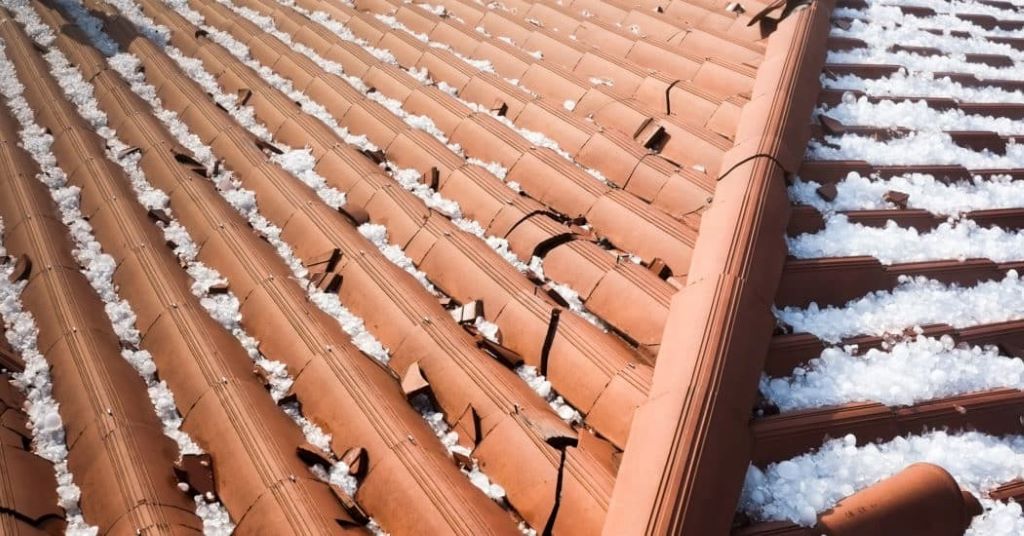
Ceramic liners can be brittle under sudden impact or when subjected to mechanical stress, therefore it is of utmost importance that ceramic lined pipes are transported and installed with care to avoid damaging the liner. Ceramic lined pipes cannot easily be repaired so should a section be cracked it will most likely need to be replaced.
3. Lack of flexibility.
Because ceramic liners are inherently brittle, they are unsuitable for applications where flexibility is required. This limits their use in environments where thermal fluctuations may create pipes to expand and contract or where ground movement is likely as this can cause the pipes to fail and require replacement.
In conclusion
Ceramic lined pipes are designed for specialist applications in industry sectors where avoiding wear and abrasion are the primary concerns. Where cost and flexibility are paramount, other options should be considered.