
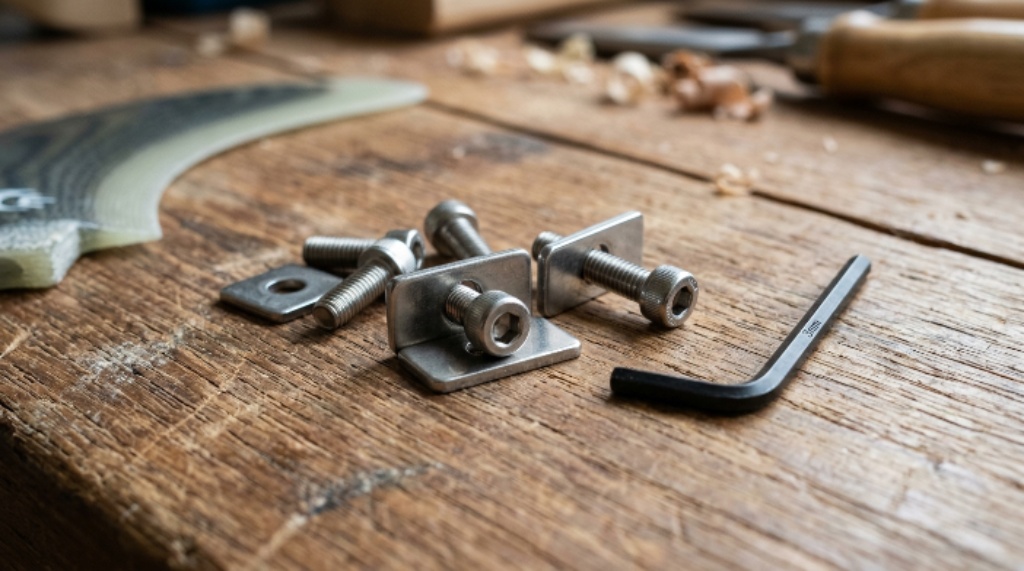
Most surfers spend hours choosing the perfect board, wetsuit, and fins. However, one small item often gets overlooked until it causes a real problem: the fin screw. This tiny piece of hardware holds your fin securely in place while you ride. Without the right screw, even the best fins in the world will not perform as they should. A loose or broken fin screw at the wrong moment can ruin a session — or worse, damage your board. This guide will help you understand exactly what to look for so you never have to worry about it again.
What Fin Screws Actually Do
Fin screws lock your fins into the fin box on the bottom of your surfboard. The fin box is a channel or plug system built into the board during manufacturing. The screw passes through the fin base and threads into a small plate or nut inside the box, clamping everything together tightly.
When a screw is the right size and material for the system, it holds with confidence. You can pump hard, carve deep turns, and land aerials without any movement in the fin. Therefore, getting this detail right has a direct impact on how your board responds in the water.
The Most Common Fin Box Systems
Before you buy any screws, you need to know which fin system your board uses. Different systems require different screws and plates. Using the wrong hardware can strip threads, crack the fin base, or leave the fin rattling loose.
The most widely used systems are described below.
FCS is one of the most popular systems in surfing. Original FCS plugs use two small plugs per fin, each accepting a short Phillips-head screw. The newer FCS II system is a click-in design that does not require screws at all, though some surfers still use a tab-and-screw option for added security.
Futures is another major system. It uses a single long box running from front to back, and fins slide in from the tail end. A single screw and plate lock the fin at the desired position in the box. The screw is slightly longer than a standard FCS screw and requires a flathead driver.
Single-fin boxes are common on longboards, fish shapes, and classic designs. They also use a plate-and-screw system but are typically wider and longer than shortboard boxes. The screws used here are often stainless steel and slightly larger in diameter.
Understanding your system is the essential first step. Once you know what you have, choosing the right surfboard fin screws becomes much more straightforward.
Materials Used in Fin Screws
Not all screws are made from the same material, and the difference matters more than most surfers realize. Saltwater is highly corrosive. A screw made from the wrong metal will rust, seize, or snap — often at the worst possible time.
Here are the main material options you will encounter:
- Stainless steel: The most reliable and widely recommended choice. It resists corrosion well, holds its strength over time, and is easy to find at surf shops and online
- Titanium: Lighter than stainless steel and extremely strong. Titanium screws are used by performance-focused surfers who want to reduce weight, however they cost significantly more
- Brass: Softer than stainless steel and more prone to wear. Brass screws are used in some older or budget-friendly fin systems but are less ideal for regular surfing in saltwater
- Nylon or plastic: Found in entry-level kits. They are lightweight and will not corrode, but they lack the strength needed for hard surfing and can strip easily
For most surfers, stainless steel is the best all-around choice. It is durable, affordable, and works well across all fin box types.
Understanding Fin Hardware Types
Knowing fin hardware types goes beyond just the screw itself. The complete fin fastening system includes the screw, the fin key or screwdriver, and the plate or nut that sits inside the box.
The plate is a flat piece of metal that slides into the fin box channel. The screw threads into it from below, sandwiching the fin base between the plate and the box surface. If the plate is worn, bent, or the wrong size, the screw will not grip properly even if the screw itself is perfectly fine.
Always check your plates when replacing screws. A corroded or misaligned plate is just as problematic as a stripped screw. Additionally, keep a spare plate in your board bag because they are easy to lose during fin changes.
Fin keys come in two main types: flathead and Phillips. FCS traditionally uses a Phillips-head key, while Futures and many single-fin systems use a flathead. Some compact multi-tools combine both, making them a practical addition to any surfer’s kit.
How to Choose the Right Size
Size matters when selecting fin screws. A screw that is too short will not engage the plate deeply enough and will come loose during surfing. A screw that is too long can crack the fin base or bottom of the board.
Most fin systems have a standard screw length specific to that brand. FCS screws are typically around 9mm to 10mm in length. Futures screws tend to be slightly longer at around 10mm to 12mm. Single-fin box screws vary more widely, so measuring the depth of your box before purchasing is worth the extra minute.
When in doubt, take your current screw to your local surf shop and ask for a direct match. Additionally, buying a multi-pack of the correct screws is always a smart move. Screws are small and easy to drop in the sand or lose during a gear check. Having extras on hand means you are never stuck on the beach with a loose fin and no replacement.
Surf Accessories That Work Alongside Fin Screws
Fin screws do not work in isolation. They are part of a broader set of surf accessories that keep your board performing at its best. Alongside spare screws, there are a few other items worth keeping in your gear bag.
Fin wax or fin grease can be applied lightly to screw threads before installation. This prevents corrosion, makes removal easier after long sessions, and reduces the risk of screws seizing inside the box. Do not apply too much — a thin coating is all you need.
A quality fin key or multi-tool should always be with you. Cheap plastic keys strip easily and leave you unable to tighten a loose fin mid-session. Investing in a metal fin key is a small cost that pays off quickly.
A neoprene or mesh fin pouch is also worth considering. It protects your fins during travel and keeps screws and plates organized in one place. Therefore, when you reach the beach, everything you need is ready to go.
Signs That Your Fin Screws Need Replacing
Fin screws do not last forever. Knowing when to replace them saves you from unexpected problems in the water.
Watch for these warning signs:
- Visible rust or corrosion on the screw head or shaft
- A screw that turns but does not tighten, which means the threads are stripped
- A screw head that is worn down and no longer grips the fin key properly
- Any fin movement or rattling when you flex the fin by hand before paddling out
- A screw that snaps during tightening, which means the metal has weakened
If you notice any of these signs, replace the screw immediately. Additionally, it is good practice to inspect all fin screws at the start of each season, even if everything looks fine. Prevention is always easier than dealing with a failed screw in the lineup.
Installing Fin Screws Correctly
Correct installation is just as important as choosing the right screw. Even the best screw will fail if it is not fitted properly.
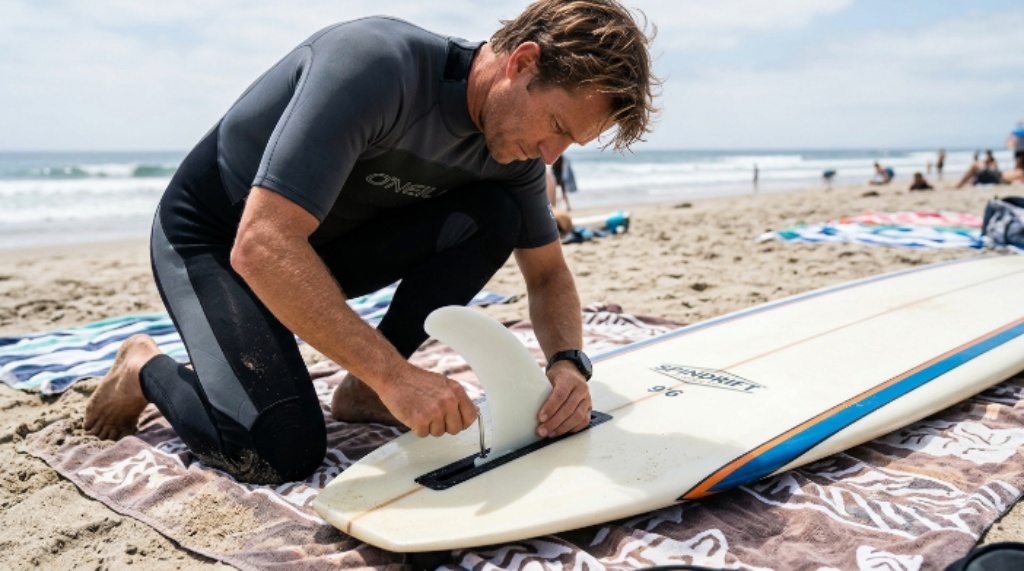
Start by sliding the plate into the fin box channel and positioning it under the fin screw hole. Insert the fin base into the box and align the screw hole. Drop the screw in and turn it by hand until it is finger-tight. Then use your fin key to tighten it firmly — but do not over-tighten. Excessive force strips threads and cracks fin bases.
Give the fin a firm shake after tightening. There should be absolutely no movement. If there is any rattle, the plate may be misaligned or the screw may need a half-turn more. Therefore, always do a quick check before you paddle out.
Conclusion
Fin screws are small, inexpensive, and easy to overlook. However, they play a critical role in how your surfboard performs. Choosing the right surfboard fin screws starts with knowing your fin system, then selecting the right material, size, and hardware to match. Stainless steel is the best choice for most surfers, and keeping a supply of spares in your bag removes any risk of being caught short.
Understanding fin hardware types helps you buy with confidence and maintain your equipment properly. Pair your screws with the right fin key, a little thread grease, and regular inspections, and your fins will stay locked and responsive session after session. These small pieces of surf accessories are the foundation of reliable performance in the water. Get them right, and everything else follows.
Frequently Asked Questions
How often should I replace my surfboard fin screws?
There is no fixed timeline. However, a good rule is to inspect them at the start of each surf season and replace any that show rust, stripped threads, or visible wear. If you surf frequently in saltwater, check them every few months.
Can I use any screw as a replacement if I lose one?
No. Fin screws are designed to specific dimensions for each fin system. Using a generic screw risks stripping the plate, cracking the fin, or failing to hold the fin securely. Always use screws designed for your specific fin box system.
What is the best material for fin screws used in saltwater?
Stainless steel is the best choice for saltwater surfing. It resists corrosion, maintains its strength over time, and is widely available. Titanium is also excellent but costs more.
My fin screw keeps coming loose during surfing. What should I do?
First, check that the plate inside the fin box is properly aligned and not worn out. If the plate is fine, try a new screw of the correct size. Applying a small amount of fin grease or thread compound can also help maintain a tighter hold over time.
Do I need different screws for FCS and Futures fin systems?
Yes. FCS and Futures use different screw lengths, head types, and plate designs. FCS traditionally uses a Phillips-head screw, while Futures uses a flathead. Always match the screw to your specific system to ensure a secure and correct fit.
Related Topics:
How to Choose the Right Size Skateboard: Finding Your Perfect Ride
How to Choose the Best Cruiser Skateboard for Easy Riding in 2026