
Key Takeaways:
- Transformers are essential for voltage regulation and efficient electricity transmission.
- Advancements like solid-state transformers are enhancing grid flexibility and reliability.
- Addressing transformer shortages is crucial for meeting increasing energy demands.
Role of Transformers in the Power Grid
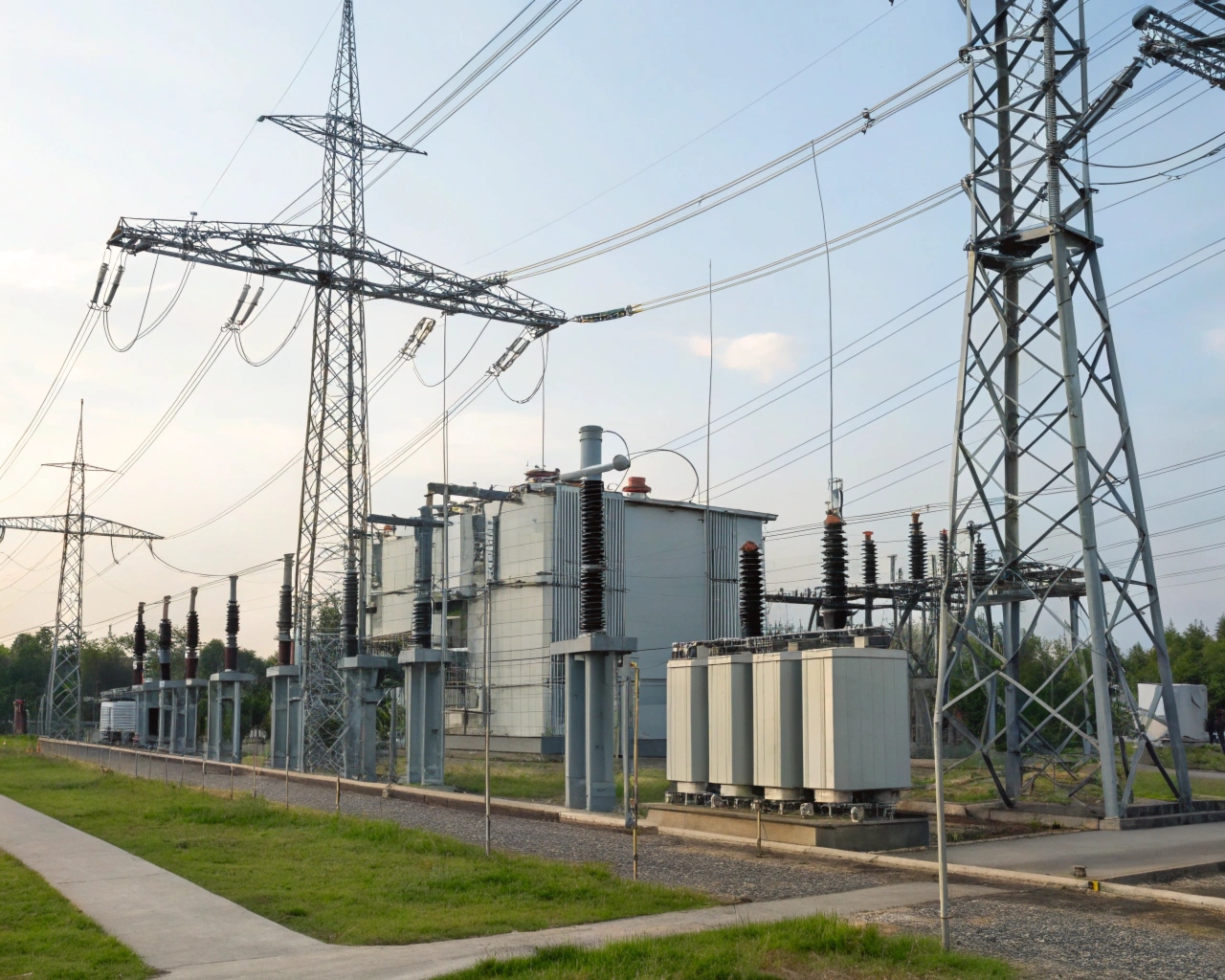
The power grid relies on transformers to regulate voltage, making long-distance transmission of electricity both practical and efficient. When electricity is produced at power plants, it is generated at a voltage unsuitable for most consumers. By stepping the voltage up or down as needed, transformers help reduce energy loss across transmission lines. Choosing a reliable transformer manufacturer ensures access to equipment that meets rigorous safety and efficiency standards.
Transformers not only protect sensitive appliances from voltage fluctuations but also enhance the overall stability of the power infrastructure. This stability is necessary to accommodate the growing integration of renewable energy sources and the increasing demand for electricity across residential, commercial, and industrial sectors.
The effective operation of transformers helps minimize outages, reduce transmission losses, and supports grid safety. While often unrecognized by end-users, these components are vital to the continuous delivery of power and the safe integration of various generation methods, including solar and wind energy.
As the transition toward smarter and cleaner energy sources accelerates, the role of transformers will only become more prominent within global electrical networks. For organizations looking for broader electrical solutions, partnering with a reputable electric equipment manufacturer can help ensure the right components are in place for both current and future demands.
Types of Transformers and Their Functions
Not all transformers are created equal. Each type serves a specific function, designed to optimize performance at different points in the electrical transmission and distribution process:
- Step-Up Transformers: These are located near power generation sites. They increase the voltage so electricity can travel long distances over transmission lines with less loss of energy.
- Step-Down Transformers: Positioned closer to end-users, these units reduce voltage to safer, usable levels as electricity approaches homes, businesses, and industries.
- Distribution Transformers: These are the last step in the supply chain, delivering electricity directly from the distribution system to individual neighborhoods or facilities.
Each transformer type contributes to a balanced and reliable system. For instance, step-down and distribution transformers ensure that the power supplied to households is not only safe but also consistent, reducing the risk of equipment damage due to voltage spikes.
Advancements in Transformer Technology
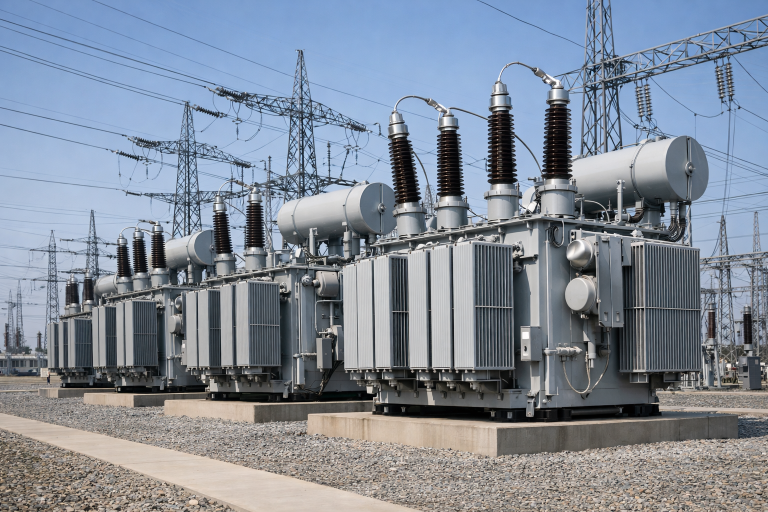
Recent years have witnessed significant innovations in transformer technology. Traditional transformers are giving way to devices like solid-state transformers (SSTs). SSTs utilize advanced power electronics to regulate voltage and current more precisely than their conventional counterparts. This evolution results in increased energy efficiency and greater adaptability, which are crucial for integrating distributed renewable energy resources.
Solid-state transformers can handle rapid fluctuations in supply and demand. This capability is essential as the grid incorporates more variable energy inputs, such as wind or solar. Advanced monitoring and diagnostic features embedded in modern transformers help utilities respond proactively to anomalies, maintaining system stability and reducing maintenance costs.
These technological advancements not only modernize grid operations but also lay the foundation for the future of smart grids, where communication between network components is seamless and automatic. You can learn more about how this technology is shaping the energy landscape by consulting resources from larger publications like Wired.
Challenges in Transformer Supply and Demand
Parallel to technology advancements, the electricity sector faces increasing demand for transformers worldwide. The booming integration of renewable power plants, along with electrification policies, is straining global supply chains. Manufacturing delays, logistical challenges, and raw material shortages have all contributed to periodic transformer shortages.
These shortages threaten to impede grid expansion projects, slow infrastructure upgrades, and make it more difficult to respond to emergencies. Meeting rising demand requires both investment in domestic production capabilities and improved international collaboration among suppliers. Forms of strategic planning, such as stockpiling critical components and focusing on modular transformer designs, can further help utilities overcome obstacles related to logistics and procurement.
Impact of Transformers on Grid Reliability
Grid reliability depends heavily on the health and availability of transformers throughout the network. As infrastructure ages and parts become obsolete, the risk of unexpected failures grows. Outages caused by transformer issues can disrupt entire regions, affecting homes, businesses, and vital services.
Implementing upgrades and ensuring adequate transformer inventories are critical steps for utilities. Smart sensors and real-time monitoring allow organizations to detect operational anomalies early, schedule proactive maintenance, and reduce the likelihood of major disruptions. Planning for resilience is vital as extreme weather events and cyber threats become more common. For further information, the U.S. Department of Energy’s overview of transformer supply and demand drivers provides valuable insights.
Future Outlook for Transformer Technology
The future of the power grid is closely linked with continued advancements in transformer technology. Continued research and collaboration between industry players, academics, and government agencies will shape the next generation of transformers, prioritizing efficiency, flexibility, and reduced environmental footprint.
Emerging trends such as digitalization, the adoption of eco-friendly insulating materials, and the integration of smart controls are expected to further transform the way grids operate. As the sector moves toward greater sustainability and resilience, investing in the latest transformer technologies will remain a top priority for grid operators worldwide.
Understanding these evolving roles and technological shifts can help organizations and policymakers ensure a stable, adaptable, and forward-looking energy infrastructure for years to come.