Squeaky disc brakes can quickly ruin an enjoyable ride, especially during wet weather or steep downhill routes. According to industry estimates, contaminated brake pads cause many common brake noise complaints. Additionally, Seattle receives over 150 rainy days annually, making brake maintenance especially important. If you enjoy cycling, reading this affordable hardtail trail bike review also helps you understand how quality components improve riding performance. This guide explains practical methods that reduce brake noise while keeping your bike safe and reliable.
Understand Why Disc Brakes Squeak
Disc brakes create noise whenever vibration develops between the rotor and brake pads. Moisture, dirt, and worn components often trigger that unwanted sound.
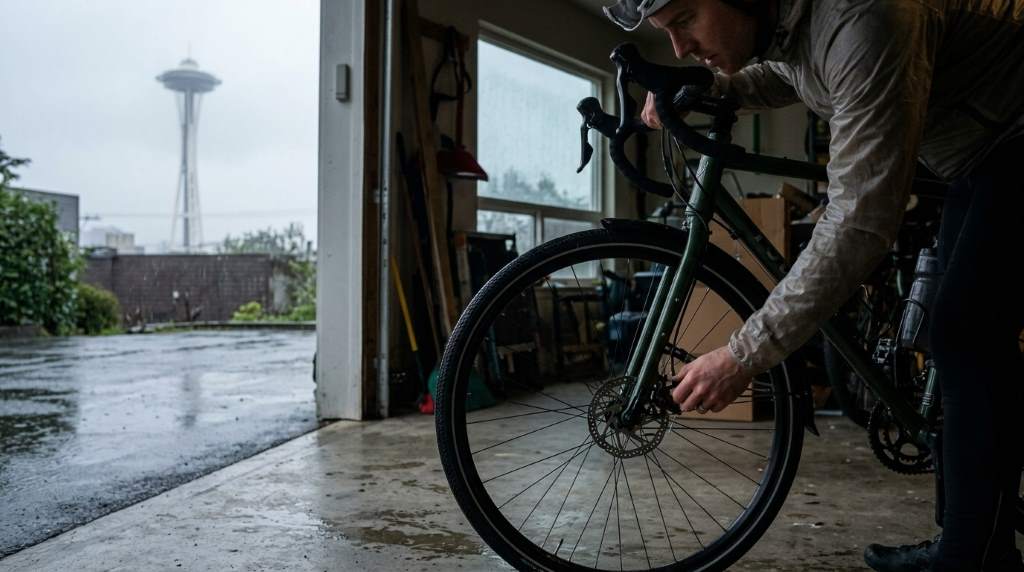
Seattle weather frequently leaves roads damp, while trail conditions add extra mud and debris. Therefore, regular inspections prevent many frustrating brake issues before they become serious.
After any bicycle accident, damaged brake parts deserve careful attention because safety always comes first. Learning about bicycle accident compensation also explains why documenting mechanical problems matters.
Inspect Every Brake Component Carefully
Start with a complete visual inspection before replacing expensive parts. Careful observation often reveals simple problems within minutes.
Check The Brake Rotor
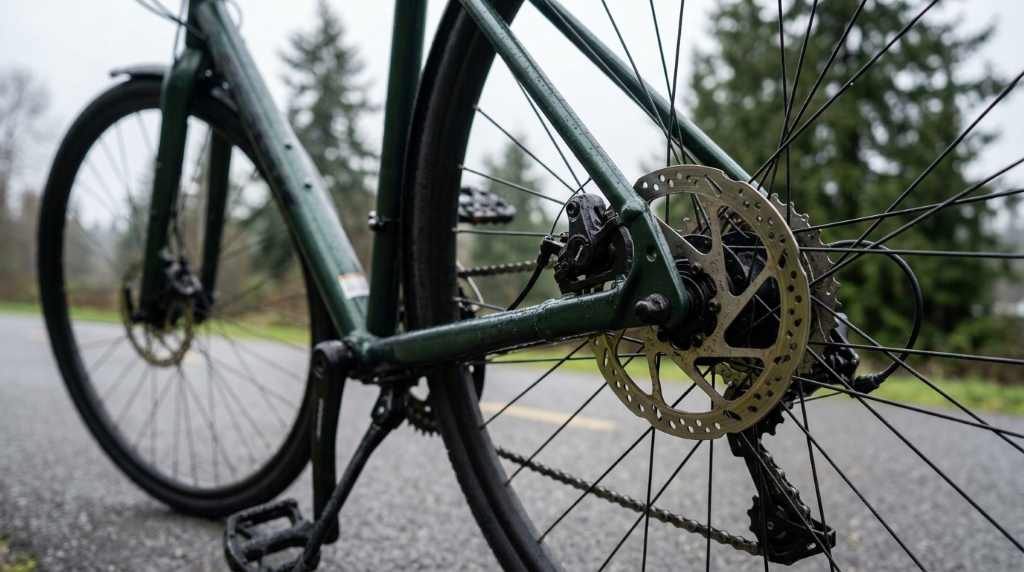
Spin the wheel slowly while watching the rotor pass through the brake caliper. A bent rotor usually creates rubbing sounds during every wheel rotation.
Look closely for grease, fingerprints, rust, or heavy discoloration across the braking surface. Clean metal provides stronger braking and much quieter performance.
Inspect The Brake Pads
Remove the wheel and examine both brake pads under bright lighting. Replace pads showing uneven wear, glazing, cracks, or oil contamination.
Many mountain riders perform frequent inspections after muddy adventures using recreational trail mountain bikes because aggressive terrain increases brake wear.
Clean The Rotor And Brake Pads Properly
Cleaning remains one of the fastest solutions for squeaky disc brakes. Fortunately, the process requires only a few simple tools.
- Use clean isopropyl alcohol with a lint free cloth.
- Wipe both rotor surfaces completely.
- Avoid touching cleaned rotors with bare fingers.
- Allow every component to dry naturally.
Never spray household cleaners onto braking surfaces because they leave harmful residue. Instead, use products designed specifically for bicycle brake systems.
Understanding BMX bike frame measurements also helps riders maintain proper bike control during technical riding.
Sand Glazed Brake Pads When Appropriate
Brake pads sometimes develop a shiny surface after excessive heat exposure. That hardened layer often causes loud squealing during normal braking.
Lightly sand each pad using fine grit sandpaper on a flat surface. Remove only the glossy layer without reducing pad thickness excessively.
Clean the pads thoroughly before reinstalling them into the caliper. Afterwards, avoid contaminating them with oils or lubricants.
Align The Brake Caliper Correctly
Misaligned calipers frequently create rubbing and constant squeaking. Fortunately, adjustment usually takes only several minutes.
- Loosen both caliper mounting bolts slightly.
- Squeeze the brake lever firmly.
- Hold the lever while tightening each mounting bolt.
- Release the lever and spin the wheel.
- Repeat the adjustment until rubbing disappears.
Proper alignment allows equal spacing between both brake pads and the rotor. Consequently, braking becomes quieter and much smoother.
Bed In New Brake Pads Correctly
New brake pads require proper bedding before reaching full performance. Skipping this process often causes unnecessary brake noise.
Ride in a safe location with moderate speed and apply firm braking repeatedly. Repeat several controlled stops until braking becomes stronger and quieter.
This process transfers an even material layer onto the rotor surface. As a result, both stopping power and consistency improve significantly.
Replace Worn Or Damaged Components
Some brake parts eventually reach the end of their service life. Replacement becomes the safest and most reliable solution.
Replace brake pads when friction material becomes too thin for safe operation. Likewise, install a new rotor if excessive wear or warping appears.
Always purchase compatible parts recommended for your specific brake model. Matching components deliver better braking and longer service life.
Prevent Future Brake Noise
Preventive maintenance reduces future squeaking while extending brake component life. Small habits produce noticeable long term results.
- Clean rotors after muddy rides.
- Store bicycles in dry locations.
- Avoid overspraying chain lubricant.
- Inspect pads every few weeks.
- Replace worn components promptly.
Consistent maintenance also improves rider confidence during city commuting and mountain adventures. Therefore, every inspection contributes directly to safer cycling.
When Professional Service Makes Sense
Some brake issues require specialized tools and experienced technicians. Hydraulic leaks and damaged pistons deserve professional diagnosis.
Visit a trusted bicycle repair shop whenever braking performance suddenly decreases. Reliable mechanics quickly identify problems that home inspections might overlook.
Final Thoughts
Squeaky disc brakes usually result from contamination, poor alignment, worn pads, or improper maintenance. Fortunately, careful inspection and regular cleaning solve many common problems quickly.
Follow these maintenance steps consistently to enjoy quieter rides and dependable stopping performance. Start inspecting your brakes today and keep every ride smooth, safe, and confident.
Frequently Asked Questions
Why do disc brakes squeak after riding in rain?
Moisture and road debris temporarily reduce friction and create vibration between pads and rotors.
Can dirty brake rotors cause constant squeaking?
Yes, contaminated rotors commonly produce continuous brake noise until cleaned properly.
Should I replace squeaky brake pads immediately?
No, inspect and clean them first because contamination often causes the problem.
How often should I clean bicycle disc brakes?
Clean them after muddy rides or whenever you notice reduced braking performance.
Is sanding brake pads always necessary?
No, sanding helps only when the pads become glazed but remain otherwise usable.