
The global economy is shifting in ways we haven’t seen in decades. These changes affect everyone, from small business owners to large corporations. Understanding the early warning signs can help you prepare for what’s coming. This article explores the key indicators that suggest a major economic realignment is underway.
Understanding Economic Realignment
Economic realignment happens when power shifts between countries and regions. It changes how goods move across borders and who controls global markets. Therefore, recognizing these shifts early gives you a competitive advantage.
The current realignment differs from past changes. Technology plays a bigger role now. Additionally, climate concerns and geopolitical tensions add new layers of complexity. These factors combine to create unprecedented challenges and opportunities.
Shifting Trade Patterns
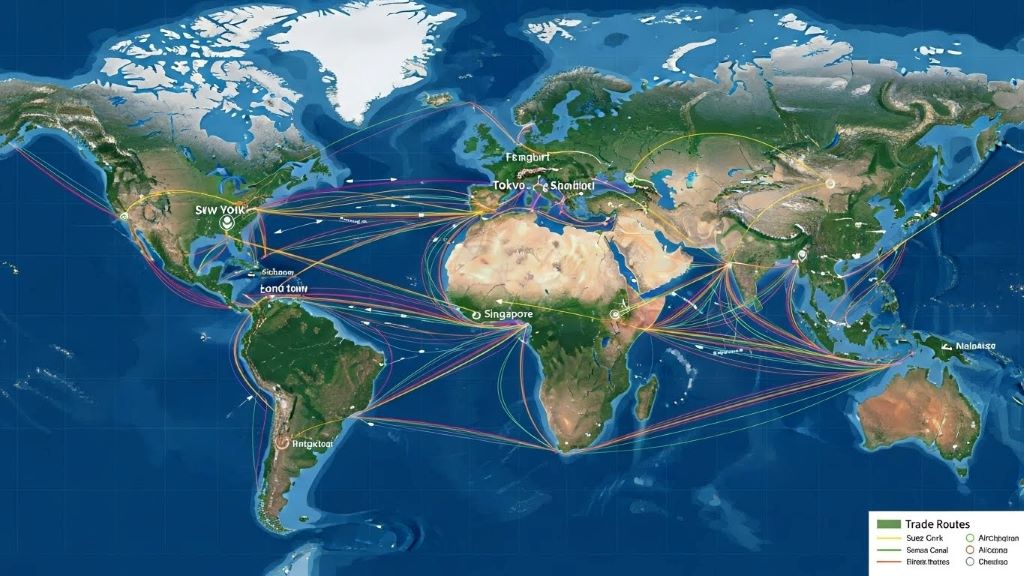
One of the clearest signs of economic realignment is changing trade relationships. Countries are rethinking their supply chains and trading partners. This trend accelerated after recent global disruptions showed the risks of depending too heavily on single sources.
Manufacturing is moving closer to home in many industries. Companies call this “nearshoring” or “friendshoring.” Mexico, for example, has seen increased investment from U.S. companies seeking alternatives to Asian manufacturing. Similarly, European nations are strengthening ties with neighboring countries.
However, these changes create winners and losers. Countries that previously dominated manufacturing may see reduced demand. Meanwhile, nations with favorable geography or political relationships gain new opportunities. The World Trade Organization has documented significant shifts in global trade flows over recent years, reflecting these changing economic dynamics.
Currency Fluctuations and Reserve Status
Currency markets provide another early warning system. The U.S. dollar has long served as the world’s primary reserve currency. Nevertheless, some countries are exploring alternatives.
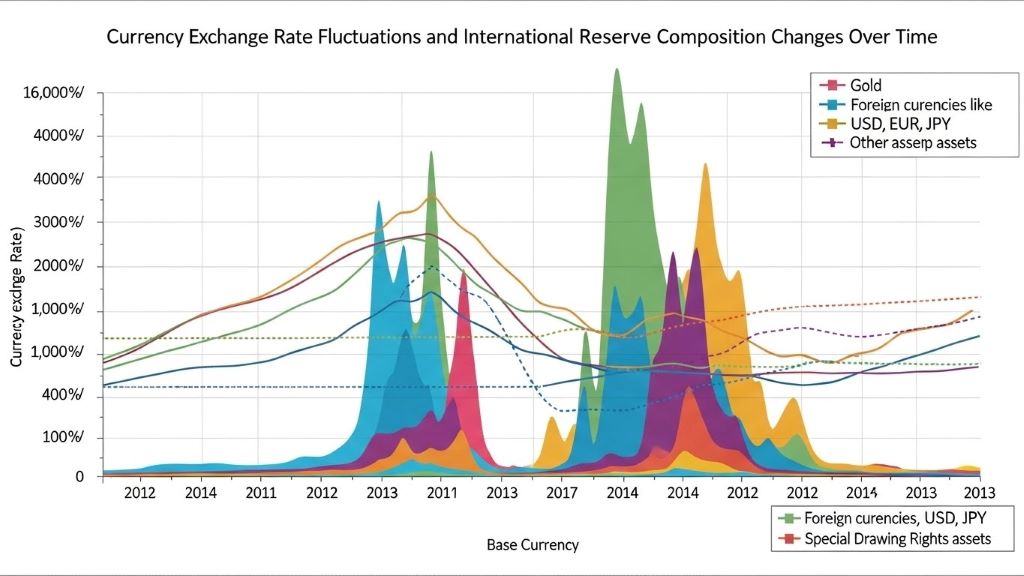
Central banks are diversifying their reserves. They’re buying more gold and holding larger amounts of other currencies. China’s yuan and the euro are gaining ground, though slowly. These changes might seem small now, but they signal deeper shifts in economic power.
Digital currencies add another dimension to this picture. Central bank digital currencies could reshape international payments. Therefore, watching how major economies develop and deploy these tools matters greatly.
Energy Market Transformations
Energy markets are undergoing dramatic changes. The shift toward renewable energy is accelerating. Countries investing heavily in solar, wind, and battery technology are positioning themselves for future leadership.
Traditional energy exporters face challenges. Their economic models built on oil and gas must adapt. Some are investing in clean energy technology. Others are seeking new industries to diversify their economies.
Energy independence has become a national security priority for many nations. This focus drives investment in domestic energy production and storage. Consequently, global energy trade patterns are evolving rapidly.
Technology and Innovation Centers
The race for technological supremacy shows where economic power is heading. Countries leading in artificial intelligence, quantum computing, and biotechnology will shape the future economy. Investment in research and development reveals national priorities.
Silicon Valley no longer stands alone. Innovation hubs are emerging worldwide. Cities in Asia, Europe, and the Middle East are attracting talent and capital. This geographic spread of innovation centers reflects broader economic decentralization.
Intellectual property disputes between nations highlight these tensions. Patent filings and technology transfer restrictions indicate which countries view certain technologies as strategic assets. Therefore, monitoring these legal and regulatory battles provides insight into future economic alignments.
Demographic Shifts and Labor Markets
Population trends profoundly impact economic power. Countries with young, growing populations have different advantages than those with aging societies. Migration patterns are changing too, as workers seek opportunities in emerging economies.
Education systems determine future competitiveness. Nations investing in STEM education and vocational training prepare for tomorrow’s economy. Additionally, countries attracting international students gain both immediate economic benefits and long-term advantages.
Remote work has globalized labor markets in unprecedented ways. Talented workers can now contribute to economies far from their physical location. This trend challenges traditional notions of where economic activity happens.
Infrastructure Investment Patterns
Major infrastructure projects signal where countries expect future growth. China’s Belt and Road Initiative represents one massive bet on future trade routes. Other nations are making their own infrastructure investments to compete.
Digital infrastructure matters as much as physical roads and ports. Countries building robust 5G networks and data centers position themselves for the digital economy. According to the International Monetary Fund, infrastructure investment remains a key driver of long-term economic development.
Port expansions, rail connections, and airport upgrades show where goods and people will flow. These projects take years to complete, so they reflect long-term economic strategies rather than short-term trends.
Financial System Evolution
The international financial system is adapting to new realities. New payment systems are reducing dependence on traditional banking networks. Mobile payment platforms in Asia and Africa show how quickly financial technology can spread.
Cross-border payment systems are becoming faster and cheaper. This efficiency opens markets previously isolated by high transaction costs. However, it also creates new regulatory challenges as money flows more freely across borders.
Stock markets in emerging economies are maturing. They offer investors alternatives to traditional financial centers. This diversification of investment options reflects and accelerates economic realignment.
Political and Regulatory Changes
Government policies drive economic realignment. Trade agreements create new partnerships while tariffs build barriers. Regulatory harmonization makes cross-border business easier in some regions while differences create friction in others.
National security considerations increasingly influence economic policy. Countries restrict foreign investment in sensitive industries. Export controls limit technology transfers. These measures reshape global business relationships.
International organizations are adapting too. Their ability to manage conflicts and set rules will determine how smoothly this transition proceeds. Therefore, watching these institutions provides clues about future economic stability.
Climate Change and Resource Scarcity
Environmental pressures are forcing economic adaptation. Water scarcity affects agriculture and industry in many regions. Countries securing reliable water supplies gain strategic advantages.
Carbon pricing and climate regulations create new costs and opportunities. Industries that adapt quickly will thrive. Those that resist change face increasing challenges. Consequently, environmental policy serves as both a moral and economic issue.
Natural disasters are becoming more frequent and severe. This reality affects where people live and work. It influences infrastructure investment and insurance costs. Economic planning must now account for climate risks.
Conclusion
The signs of worldwide economic realignment are becoming clearer each day. Shifting trade patterns, currency changes, and technology races all point toward a different global economy. Energy transformations and demographic shifts add to this complex picture. Infrastructure investments and financial system evolution show where leaders expect growth. Political changes and climate pressures accelerate these trends.
Understanding these warning signs helps you prepare for changes ahead. Whether you’re an investor, business owner, or concerned citizen, staying informed matters. The economic landscape is shifting beneath our feet. Those who recognize these patterns early will be better positioned to adapt and thrive in the new economic order taking shape.
Frequently Asked Questions
What causes economic realignment between countries?
Economic realignment happens when multiple factors converge, including technological changes, political shifts, demographic trends, and resource availability. Major disruptions like pandemics or conflicts often accelerate these underlying trends. Countries reassess their relationships and strategies based on changing circumstances and national interests.
How long does worldwide economic realignment typically take?
Economic realignment unfolds over years or decades rather than months. While specific events can trigger sudden changes, the fundamental restructuring of trade relationships, supply chains, and power dynamics requires substantial time. Current estimates suggest the present realignment may continue for another decade or more before stabilizing into a new normal.
Will the U.S. dollar lose its status as the world’s reserve currency?
The dollar’s reserve currency status faces gradual challenges but remains dominant. No single currency currently offers a complete alternative. Changes in reserve currency status historically occur slowly. However, increased diversification by central banks suggests the dollar’s share may decrease over time, even if it remains the primary reserve currency.
How can businesses prepare for economic realignment?
Businesses should diversify their supply chains, monitor geopolitical developments, and stay flexible in their strategies. Building relationships in multiple regions reduces dependence on any single market. Investing in technology and workforce development helps companies adapt to changing conditions. Regular scenario planning helps prepare for various possible futures.
Which countries are likely to gain economic power during this realignment?
Countries with young populations, strong education systems, political stability, and strategic resources are well-positioned. Nations investing in renewable energy and technology infrastructure show promise. Geographic location near major markets provides advantages. However, predicting specific winners remains difficult as circumstances continue evolving.
Related Topics:
Customer experience and reviews in 2025
The Moves that Make or Break Financial Security