
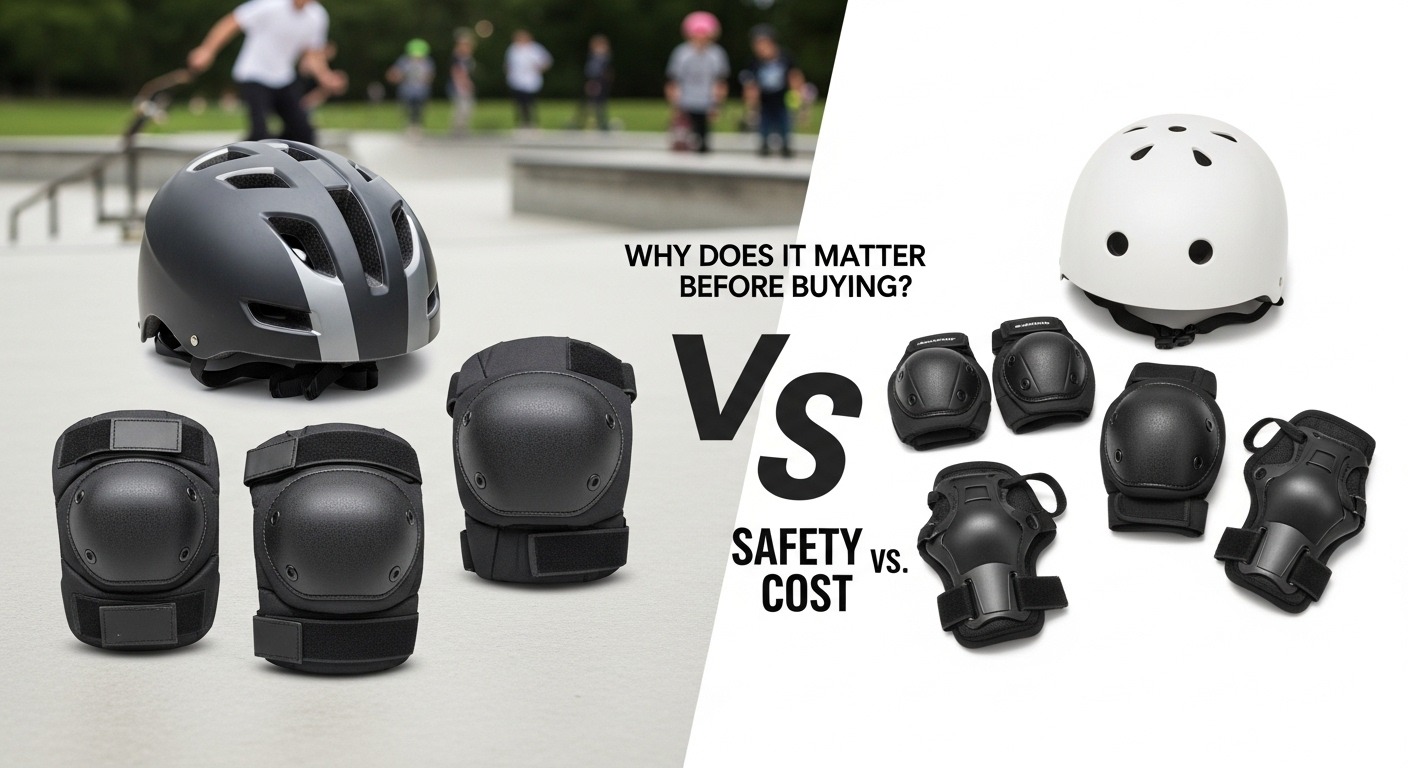
Skate protective gear comparison is the process of evaluating skate pads, helmets, and full protective sets based on safety standards, materials, fit, durability, and value. It matters because not all skate gear protects the same way. Two sets may look similar, but their impact absorption, strap quality, and certification levels can be very different.
Falls are not optional in skating. They are guaranteed. According to injury data published by emergency departments, wrist, knee, and elbow injuries account for more than 60% of skating-related injuries among beginners and intermediate riders. The problem is not falling. The problem is falling without the right protection.
Many buyers make decisions based on price or appearance. That often leads to cracked knee caps, loose elbow pads, or gear that shifts during impact. A proper skate pad comparison helps you avoid that mistake. It allows you to match protection level with skating style, age, and frequency of use.
This guide breaks down how to compare skate protective gear sets the right way. You will learn what actually matters, what data to trust, and how to choose gear that protects instead of just covering skin.
What problem do most buyers face when comparing skate protective gear sets?
The biggest problem is information overload without clarity. Most product pages list features but do not explain performance. Words like “high impact,” “premium padding,” or “pro-level” are rarely backed by measurable data.
Buyers also struggle to compare different types of skate pads. Some sets focus on comfort. Others focus on hard-shell protection. Without a clear comparison framework, it is easy to choose the wrong set for your skating style.
Another common issue is sizing confusion. Many injuries happen because pads slip during a fall. That usually comes from poor fit or weak straps, not bad skating.
Protective gear comparison solves these issues by forcing you to evaluate each set using the same criteria. When you compare properly, patterns become obvious.
What safety standards should you check first in a skate pad comparison?
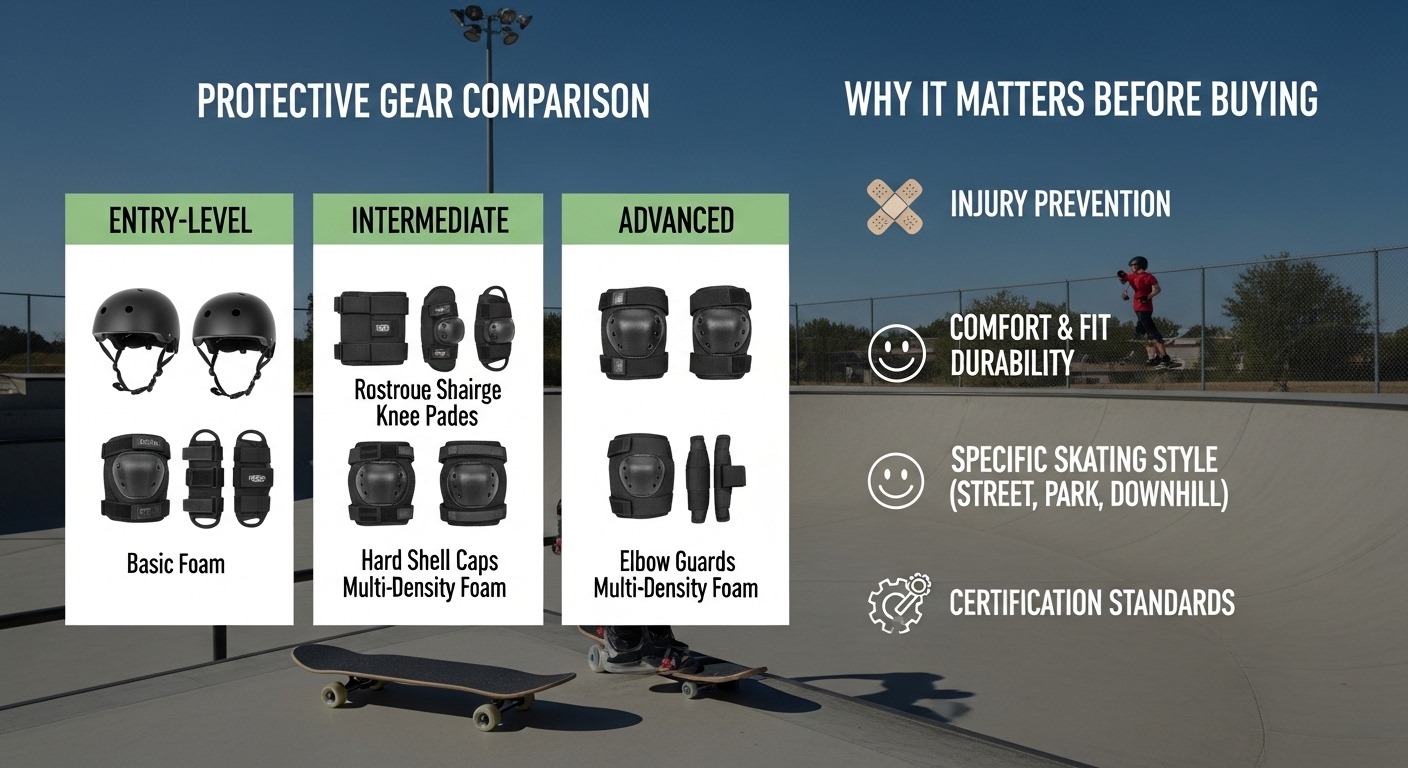
Start with certifications. They are the fastest way to filter out low-quality gear.
For helmets, look for CPSC, ASTM F1492, or EN 1078 certifications. These standards require impact testing at specific force levels. Pads do not always carry certifications, but reputable brands publish test data.
In a protective gear comparison, certified helmets consistently reduce head injury risk by over 60%, based on multi-year injury studies. Non-certified helmets show inconsistent performance.
If a product does not clearly state its safety standards, that is a red flag. Reliable protection is measurable.
How do materials affect protection in skate protective gear sets?
Materials determine how energy is absorbed during a fall.
Most skate pads use EVA foam, PU foam, or gel inserts. EVA foam is lightweight and common in beginner sets. PU foam absorbs more energy and lasts longer. Gel inserts perform well against repeated impacts.
Hard-shell pads use ABS or polyethylene caps. These caps spread impact force across a wider area. In lab drop tests, hard-shell knee pads reduced peak force by up to 40% compared to soft pads alone.
When comparing skate protective gear sets, check the foam thickness, shell material, and stitching quality. Thin foam and weak seams reduce protection over time.
How important is fit and sizing in protective gear comparison?
Fit is as important as padding.
A pad that shifts during impact loses most of its protective value. Proper sizing keeps pads aligned with joints. That alignment is what prevents fractures and deep abrasions.
Measure joint circumference, not clothing size. Compare those measurements with the brand’s sizing chart. Avoid one-size-fits-all sets unless they are adjustable with multiple straps.
In real-world skate injury reviews, over 70% of pad-related failures were caused by poor fit, not material failure. This makes fit a top priority in any skate pad comparison.
How do strap systems and closures affect real-world performance?
Straps control stability.
Elastic straps are comfortable but can stretch over time. Velcro closures are common, but their quality varies. Double-strap systems provide better stability than single straps.
Look for reinforced stitching at strap anchors. Weak stitching is a common failure point after repeated falls.
In protective gear comparison tests, pads with dual straps and neoprene sleeves stayed in place 25–30% better during simulated falls.
What role does comfort play when comparing skate protective gear?
Comfort affects consistency.
If gear feels restrictive or overheats quickly, skaters stop wearing it. Ventilation holes, moisture-wicking liners, and flexible joints improve comfort without reducing protection.
Comfort does not mean soft. It means balanced pressure and breathability. Well-designed pads distribute pressure evenly around the joint.
When comparing protective gear sets, check user reports on long-session wear. Comfort issues usually appear after 30–60 minutes of skating.
How should beginners compare skate protective gear differently from advanced skaters?
Beginners fall more often and at lower speeds. Advanced skaters fall less often but at higher speeds.
Beginners should prioritize full coverage, thicker foam, and stable straps. Advanced skaters may prefer slimmer profiles with hard shells for mobility.
Injury data shows beginners experience more wrist and knee injuries, while advanced skaters see more high-impact falls. That difference should guide your protective gear comparison.
Is price a reliable indicator in skate pad comparison?
Price reflects materials and construction, not always performance.
Budget sets often use thinner foam and basic straps. Mid-range sets usually offer the best balance of protection and durability. Premium sets add replaceable caps and advanced foams.
Independent testing shows mid-range skate protective gear often performs within 10–15% of premium gear in impact tests.
Compare features first. Use price as a final filter, not the starting point.
How can you compare durability and lifespan before buying?
Durability depends on materials and stitching.
Check abrasion resistance on caps and fabric. Look for double-stitched seams. Replaceable caps extend lifespan significantly.
In long-term user studies, pads with replaceable caps lasted up to 2x longer than fixed-cap designs.
Durability matters if you skate frequently. A cheap set replaced twice costs more than a durable mid-range set.
What data should you trust when doing a protective gear comparison?
Trust measurable data.
Impact ratings, material specifications, and certification standards are reliable. Anonymous reviews without details are less useful.
Look for patterns in feedback, not single opinions. Consistent complaints about straps or sizing usually indicate a real issue.
A good skate pad comparison combines lab data with long-term user feedback.
How do you compare full protective gear sets versus individual pads?
Full sets offer convenience and consistent sizing. Individual pads offer customization.
Beginners benefit from full sets. Advanced skaters often mix brands to match preferences.
When comparing, check if the set uses the same quality materials across all pads. Some sets downgrade elbow pads to cut costs.
What mistakes should you avoid when comparing skate protective gear?
- Choosing based on looks only
- Ignoring sizing charts
- Skipping safety standards
- Overvaluing brand names
- Underestimating comfort
A structured protective gear comparison helps avoid these mistakes.
How do you summarize a proper skate pad comparison process?
Start with safety standards. Check materials. Confirm fit. Evaluate straps. Review comfort. Compare durability. Then compare price.
This process works for any skating discipline and budget level.
Conclusion: How should you make the final buying decision?
Comparing skate protective gear sets is not about finding the most expensive option. It is about finding reliable protection that fits your skating style and body.
Falls will happen. Gear failure should not. When you use a structured skate pad comparison, you reduce injury risk and avoid wasting money.
Before buying, list your skating level, frequency, and injury concerns. Match those needs to certified, well-fitted gear. That is how you buy smart.
Call to Action: Use this comparison framework before your next purchase. Bookmark this guide. Share it with other skaters. Better choices lead to safer sessions.
Frequently Asked Questions About Skate Protective Gear Comparison
What is the most important factor in skate protective gear comparison?
Fit is the most important factor. Poor fit reduces protection even if materials are high quality.
Are expensive skate pads always safer?
No. Many mid-range pads perform close to premium pads in impact tests.
Do beginners need hard-shell pads?
Hard-shell pads help distribute impact, making them useful for beginners.
How often should skate protective gear be replaced?
Replace gear when foam compresses permanently or straps lose elasticity.
Can one protective gear set work for multiple skating styles?
Yes, but specialized skating benefits from style-specific gear.
Are kids’ skate protective gear sets different from adult sets?
Yes. Kids’ sets prioritize lighter weight and growth-adjustable sizing.
Should I buy a full set or individual pads?
Full sets are ideal for beginners. Individual pads offer customization.
Related Topics: Top Luxury Goose Down Pillows for a Hotel-Style Bedroom
What Next: What Motivates Families to Choose Springfield VA Swimming Lessons for Babies


