
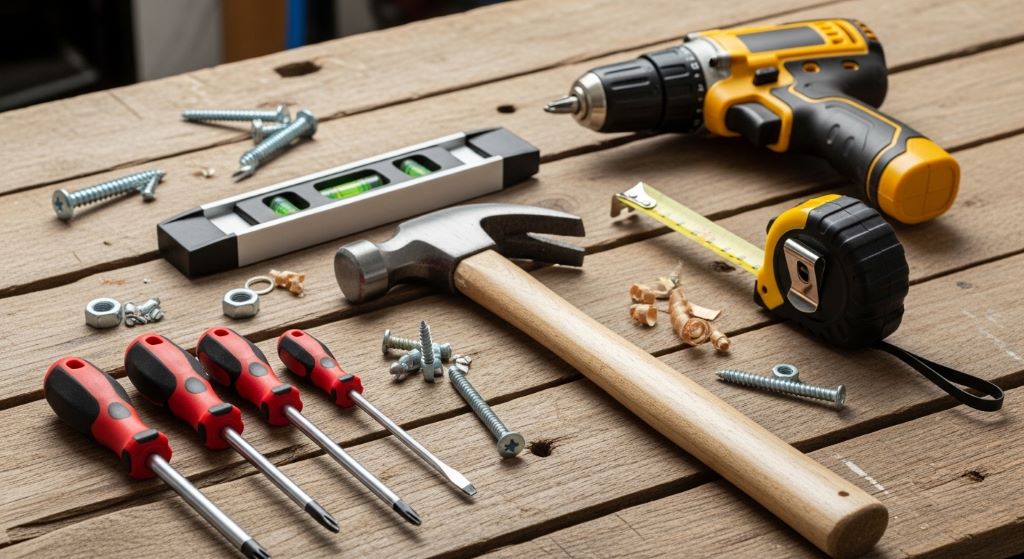
Starting your journey as a DIY enthusiast can feel exciting. However, it can also feel a little overwhelming at first. One of the most common questions beginners ask is: where do I even begin? The answer is simple. You begin by building a solid home tool kit. Having the right tools makes every project easier and more enjoyable. It also helps you work more safely and efficiently.
This guide will walk you through everything you need to know. You will learn which tools are truly essential, how to store them properly, and how to choose quality over quantity. Therefore, by the end of this article, you will feel confident and ready to start your first project.
Why Every Beginner Needs a Proper Tool Kit
Many beginners make the mistake of buying tools one at a time as they need them. This approach may seem practical, but it actually wastes time and money. Additionally, it often means you end up with mismatched tools that do not work well together.
A well-planned starter tools collection, on the other hand, prepares you for a wide range of tasks. Whether you want to hang a picture frame, fix a leaky faucet, or assemble furniture, having the right tools at hand makes the job faster. It also reduces frustration and potential mistakes.
Moreover, building your kit from the start teaches you what each tool does. This hands-on knowledge is valuable. It grows with you as your skills improve over time.
The Essential Tools Every Beginner Should Own
You do not need dozens of tools to get started. In fact, a focused collection of versatile tools is far more useful. Here are the must-have items for any home tool kit.
Hammer
A good claw hammer is the backbone of any tool collection. It is used for driving nails, removing old fasteners, and light demolition. Look for a hammer with a comfortable grip and a weight of around 16 ounces. This size is manageable for most people, including beginners. A heavier hammer may tire your arm quickly during longer projects.
Screwdrivers
You will use screwdrivers constantly. Therefore, invest in a good set that includes both flat-head and Phillips-head varieties. These two types cover the majority of household screws. A multi-bit screwdriver is also a great space-saving option. It comes with interchangeable tips that fit into a single handle.
Tape Measure
Accuracy matters in DIY work. A 25-foot tape measure is ideal for home projects. It is long enough for most tasks yet compact enough to fit in your pocket. Look for one with a locking mechanism so the tape stays extended while you measure.
Level
A level ensures that shelves, frames, and fixtures are perfectly straight. A basic bubble level works well for most beginner tasks. However, a digital level is also available if you prefer more precision. Either option will serve you well for years.
Utility Knife
A utility knife is one of the most versatile tools in any toolkit. You can use it to cut cardboard, open packages, score drywall, and much more. Choose one with a retractable blade for safety. Always replace the blade when it becomes dull, as a sharp blade is safer and more effective than a worn one.
Pliers
Pliers help you grip, twist, and cut materials with ease. A set of needle-nose pliers and a pair of standard slip-joint pliers covers most beginner needs. Additionally, locking pliers, sometimes called Vise-Grips, are handy when you need to hold something firmly in place while working with your other hand.
Power Drill
A cordless power drill is a game-changer for beginners. It drives screws faster and with less effort than a manual screwdriver. It also allows you to drill holes in wood, plastic, and even some metals. Look for a drill that comes with a variety of bits. A variable-speed trigger is also very useful for controlling the power you apply.
Safety Gear
Safety should always come first. Therefore, your starter tools collection must include basic protective equipment. At a minimum, you should have:
- Safety goggles to protect your eyes from dust and debris
- Work gloves to protect your hands from cuts and splinters
- Ear protection when using loud power tools
- A dust mask when sanding or cutting materials
How to Choose Quality Tools on a Budget
You do not need to spend a fortune to build a reliable toolkit. However, buying the cheapest tools available can cost you more in the long run. Poor-quality tools break easily and can even cause injury. Therefore, aim for a balance between affordability and quality.
Mid-range brands often offer excellent value. Look for tools from brands that have a good reputation and offer warranties. Many hardware stores also sell starter kits that bundle several basic tools together at a reduced price. This can be a smart way to build your collection quickly without overspending.
Additionally, consider buying second-hand tools. Many experienced DIYers upgrade their equipment and sell their older tools in good condition. You can find these at garage sales, flea markets, and online marketplaces. Just inspect each tool carefully before purchasing to make sure it is still safe to use.
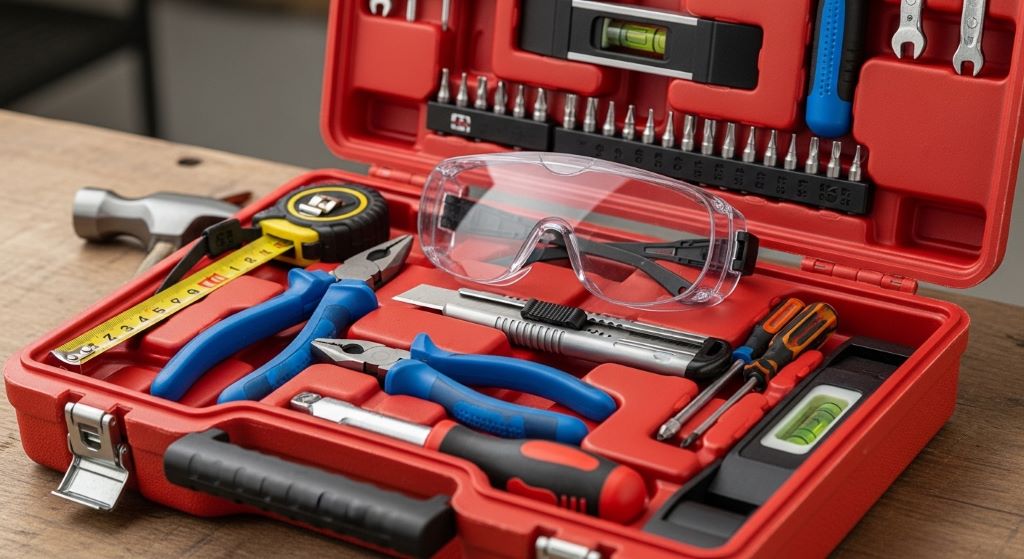
Organizing and Storing Your Tools Properly
Having great tools means nothing if you cannot find them when you need them. Good organization is therefore a key part of building an effective toolkit. A cluttered toolbox wastes time and can even damage your tools.
Start with a sturdy toolbox or tool bag. Many beginners prefer a bag because it is lightweight and easy to carry. However, a hard plastic or metal toolbox offers better protection for your tools. Whichever you choose, make sure it has enough compartments to keep things organized.
You can also consider a pegboard on your garage or workshop wall. This lets you hang tools where they are always visible and easy to grab. Label each spot so you always know where to return a tool after use. This simple habit keeps your workspace neat and saves you time on every project.
Store your tools in a dry place away from moisture. Rust can damage metal tools quickly. A small packet of silica gel placed inside your toolbox helps absorb excess moisture and extends the life of your tools.
Maintaining Your Tools to Make Them Last
Tool maintenance is often overlooked by beginners. However, a well-maintained tool performs better and lasts much longer. Fortunately, basic maintenance is quick and simple.
After each use, wipe down your tools with a clean cloth. Remove any sawdust, grease, or dirt. For metal surfaces, a light coat of machine oil helps prevent rust. Keep saw blades and knife blades sharp. A dull blade requires more effort and increases the risk of slipping.
Check your power drill battery regularly. A well-charged battery ensures consistent performance. Also, inspect tool handles for cracks or damage before each use. A broken handle can snap unexpectedly and cause injury. Replace any damaged parts promptly.
Expanding Your Kit as Your Skills Grow
Once you are comfortable with your basic tools, you can start adding more specialized items. The beauty of building your collection gradually is that each new tool you add reflects a new skill you have developed.
For example, if you start working with wood, a hand saw or a circular saw will become very useful. If you enjoy plumbing tasks, a pipe wrench and adjustable wrench are good additions. An oscillating tool is also a versatile upgrade that can cut, sand, and grind in tight spaces.
Do not rush to buy everything at once. Instead, add tools as your projects demand them. This way, every tool in your kit has a purpose and gets used regularly.
Tips for Getting the Most Out of Your DIY Experience
Building your skills takes time and practice. Here are a few tips to help you along the way.
- Start with simple projects like assembling furniture or hanging shelves before tackling bigger tasks.
- Watch tutorial videos online before starting an unfamiliar project. Visual guidance is very helpful for beginners.
- Always read the instruction manual for any power tool before using it for the first time.
- Work in a well-lit space to avoid mistakes and reduce the risk of accidents.
- Do not rush. Taking your time produces better results and keeps you safer.
Conclusion
Building a DIY home tool kit does not have to be complicated or expensive. It starts with a handful of essential tools like a hammer, screwdrivers, a tape measure, a level, a utility knife, pliers, and a power drill. Additionally, you should always include safety gear to protect yourself while working.
As you grow more confident, you can expand your starter tools collection to match your new skills and projects. The key is to choose quality over quantity, organize your workspace well, and maintain your tools after every use. Therefore, with a little planning and the right mindset, your home tool kit will become one of your most valuable assets at home.
Now that you have all the information you need, it is time to take the first step. Start small, stay safe, and enjoy the rewarding process of doing things yourself.
Frequently Asked Questions (FAQs)
1. What is the most important tool for a beginner?
A claw hammer is often considered the most essential tool for beginners. However, a cordless power drill comes in as a very close second. Together, these two tools handle the majority of basic home repair and improvement tasks.
2. How much should I budget for a beginner tool kit?
You can build a solid beginner set for between $100 and $200. Many retailers offer bundled starter kits in this price range. Additionally, buying second-hand tools in good condition can help you stretch your budget further.
3. Can I use the same tools for different types of projects?
Yes, most basic tools are very versatile. A hammer, screwdrivers, and a tape measure, for example, are useful in almost every type of home project. As you take on more specialized tasks, you can add specific tools to your collection.
4. How do I know if a tool is safe to use?
Inspect your tools before each use. Look for cracks, splinters in handles, rust, or loose parts. If a tool is damaged, do not use it. Replace or repair it first. Also, always follow the manufacturer’s instructions for proper and safe use.
5. Where is the best place to buy tools for beginners?
Hardware stores are great starting points. They often have knowledgeable staff who can guide you. Online retailers also offer a wide range of affordable options. Additionally, local garage sales and second-hand shops can be excellent sources for budget-friendly tools.
Related Topics:
How to Choose Multi-Purpose Waders for Fishing and Hunting
How to Use a Pompano Rig for Beach Fishing Success