
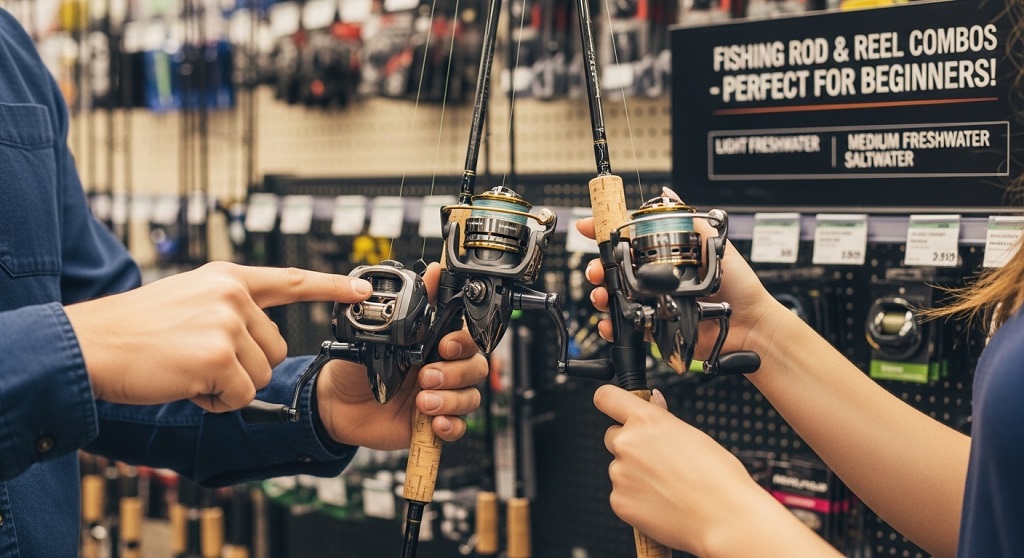
Fishing can be incredibly rewarding, but starting out with the wrong gear leads to frustration. Many beginners struggle with tangled lines, missed bites, and heavy, awkward rods. The secret to enjoying fishing right from day one? Selecting thebest combo for beginners fishing—a well-matched rod and reel that makes learning easy, fun, and hassle-free.
Snippet Answer: To choose the right fishing rod and reel combo as a beginner, look for a lightweight, medium-power rod paired with a simple spinning or spincast reel. Prioritize ease of use, balanced construction, and compatibility with your local fishing spots for the best learning experience.
What makes a fishing rod and reel combo ideal for beginners?
An ideal fishing rod and reel combo for beginners prioritizes ease of use, comfort, and versatility. It should be lightweight, durable, and simple to handle so new anglers can focus on learning basic fishing techniques, not wrestling with their equipment.
Beginner-friendly combos feature user-friendly reels, often spinning or spincast, which are less prone to tangling and easier to cast. Rods should be made of materials like fiberglass or a fiberglass-graphite blend, offering the perfect balance of strength and flexibility. The grips must be comfortable, and the overall length should be manageable—typically between 6 to 7 feet. The right combo boosts your confidence and helps ensure a positive first experience on the water.
Which type of rod and reel is best for a beginner angler?
For most beginners, a spinning or spincast rod and reel combo is the best choice. Both types allow easy casting, minimal tangling, and straightforward maintenance, making them perfect for learning the basics without frustration.
Spinning rods and reels are versatile enough for different fish species and can handle various techniques. Spincast combos, with push-button reels, are even simpler and ideal for younger anglers or absolute beginners. Baitcasting combos are not recommended for most novices, as they require advanced skills to avoid bird’s nests and backlash. Choose spinning for adaptability and spincast for ultimate ease.
- Spinning Combo: Suitable for lakes, rivers, and most freshwater spots.
- Spincast Combo: Best for small ponds or for kids and those seeking ultimate simplicity.
- Baitcasting Combo: Not recommended for beginners due to steeper learning curve.
How do you determine the right rod length and power for a novice?
The best rod length for beginners is 6 to 7 feet, offering a good balance between casting distance and control. For rod power, start with a medium-light or medium power rod to handle a variety of fish and lures.
A rod that’s too short limits your casting, while one that’s too long becomes awkward and hard to control. Medium or medium-light rods are sensitive enough to detect bites but strong enough to land panfish, trout, or bass. Starting this way lets beginners fish in ponds, lakes, and streams with a single combo, reducing confusion and increasing success.
What materials are best for beginner fishing rods?
Fiberglass and graphite-composite rods are the top materials for beginners. Fiberglass is durable and forgiving, while graphite composites offer a balance of lightness and sensitivity that boosts comfort and learning effectiveness.
Pure fiberglass rods withstand bumps and drops, making them perfect for new anglers. Graphite rods provide increased sensitivity but might be costlier and more prone to breakage if misused. Most beginner combos blend the two, offering the resilience of fiberglass with the feel of graphite—a combination that eases the learning curve and increases satisfaction.
How should reel size and gear ratio influence your choice?
Choose a reel size between 2000 and 3000 for freshwater beginner fishing. For gear ratio, select something in the 5.2:1 to 6.2:1 range, balancing speed and power for versatile performance in various fishing scenarios.
Reel size impacts how easily you can manage the weight of the rod and how much fishing line you can hold. A 2000 or 2500 size reel is lightweight, easy to control, and fits well with the recommended rod sizes. The gear ratio affects how fast your reel retrieves line, with the suggested range providing enough speed without sacrificing torque. Beginners should avoid oversized reels and extreme gear ratios to keep things simple and effective.
What are the top features to look for in the best combo for beginners fishing?
Look for tangle reduction, anti-reverse mechanisms, smooth drag systems, and comfortable grips. These features prevent common beginner frustrations and make your first fishing trips enjoyable and productive.
Many starter combos come with pre-spooled line, eliminating guesswork. Durable guides, solid reel seats, and corrosion-resistant components also extend the life of your gear. Some combos even include tackle kits—a nice bonus for those with no gear yet. The more thoughtfully designed your combo, the easier it will be to learn and progress.
- Tangle-Free Design: Minimizes line snarls.
- Pre-spooled Line: Ready to fish right out of the box.
- Anti-Reverse Handle: Prevents the reel from spinning backward.
- Smooth Drag: Essential for fighting fish without line breaks.
- Comfortable Handle: Prevents hand fatigue during long sessions.
How does the fishing environment affect the best combo for beginners fishing?
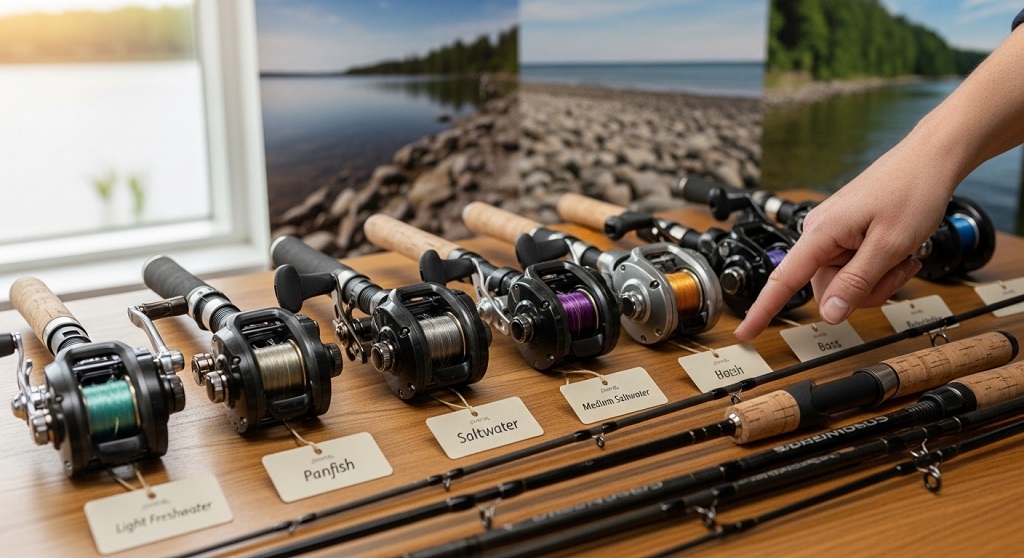
Your target fishing spot determines the ideal rod and reel combo. Consider whether you’ll fish in freshwater or saltwater, ponds or rivers, and adapt your gear choice to match the local fish species and weather conditions.
For mostly freshwater scenarios like lakes, creeks, or rivers, stay with light to medium freshwater combos. If you’ll occasionally fish saltwater, look for corrosion-resistant materials. For smaller bodies of water, a 6-foot spinning or spincast setup is perfect, while larger lakes or rivers might benefit from a 7-foot combo with extra line capacity. Matching your combo to your environment maximizes both success and enjoyment.

How do popular beginner combos compare?
Beginner combos differ in price, durability, and included features. Comparing top-rated combos side by side helps you find the best match for your budget and needs, ensuring a smooth start to your fishing journey.
| Combo | Rod Length | Reel Type | Material | Key Features | Price Range |
|---|---|---|---|---|---|
| Penn Battle III Combo | 6’6″–7′ | Spinning | Graphite/Fiberglass | Smooth drag, corrosion resistant | $$$ |
| Shakespeare Ugly Stik GX2 Combo | 6’–7′ | Spinning | Graphite/Fiberglass | Durability, tangle resistance | $$ |
| Zebco Omega Spincast Combo | 6′ | Spincast | Fiberglass | Push-button, all-in-one kit | $ |

What mistakes should beginners avoid when choosing a combo?
Avoid combos that are too heavy, too specialized, or lack instructional support. Don’t buy gear just because it looks flashy—prioritize usability, comfort, and proven beginner performance to ensure you stick with fishing for the long term.
Many new anglers choose enormous rods or high-end baitcasters, only to become discouraged. Others grab bargain combos with rough drags and stiff reels, which leads to tangles and broken lines. Stay within recommended length, power, and type guidelines. Read reviews, ask experienced anglers, and consider trusted brands known for their beginner setups—your future self will thank you.

How can beginners make the most of their first combo?
Practice basic casts in open areas, watch tutorial videos, and start with easy-to-catch fish. Keep your setup simple and gradually add techniques as you build skill and confidence—don’t rush the process.
Here are easy steps to success:
- Assemble your combo and check all connections.
- Spool with quality monofilament line (if not pre-spooled).
- Practice casting in your backyard or at an empty park.
- Start with basic bobber and worm setups to catch panfish.
- Visit local beaches or piers for easy access and steady action.
- Join online forums or groups for tips and motivation.
Conclusion: What’s the best combo for beginners fishing and why?
Choosing the best combo for beginners fishing sets the stage for lifelong enjoyment of the sport. Look for a medium-light to medium spinning or spincast combo in the 6 to 7-foot range, prioritizing user-friendly features and proven quality. Avoid gear that complicates learning. The right combo makes fishing fun, improves your odds of catching fish, and motivates you to keep casting. So grab your new setup and hit the water—your fishing story starts now!
Ready to catch your first fish? Start with the best beginner combo today, and let the adventures begin!
Frequently Asked Questions
What’s the easiest fishing reel for beginners to use?
The spincast reel is generally the easiest to use for absolute beginners. Its push-button design prevents tangles, and it requires minimal technique to cast accurately. Spinning reels are a close second, offering more versatility while still being easy to master with a little practice.
Should I buy a combo or separate rod and reel?
For beginners, a combo is typically better. Combos are pre-matched for balanced performance and include everything needed to start. As you gain experience, you can explore separate purchases and customizing your gear to suit your fishing style.
What size line should I use with my beginner combo?
Use 6-10 lb monofilament line for most freshwater combos. This range is thin enough for easy casting but strong enough for panfish, trout, and small bass. Most beginner combos come pre-spooled in this range, saving you even more setup time.
Is it worth spending extra on well-known brands?
Generally, yes. Reputable brands like Ugly Stik, Shimano, Penn, and Zebco have a history of quality and include thoughtful features for beginners. While you don’t need to splurge on top-tier models, trusted brands are less likely to disappoint.
Can children use the same combos as adults?
Kids do best with slightly shorter and lighter rods—a 5′ to 6′ spincast combo is ideal. These setups are easy to control, and the push-button reels are perfect for small hands. Adult beginner combos may feel unwieldy to younger anglers.
Do beginner combos work for saltwater fishing?
Most are built for freshwater, but some are rated for both. If you plan on fishing in saltwater (even occasionally), choose a combo with corrosion-resistant components and always rinse the gear after use to extend its life.
How long should a beginner fishing rod last?
With normal use and basic care, a beginner combo can last several years. Fiberglass and composite rods are especially durable. Keep reels clean, avoid dropping your gear, and store it indoors to prevent unnecessary wear and tear.
Read More Also: How to Build a Budget Luxury Look with Gucci Sunglasses
Learn More: What Nurses Should Know About Career Progression