
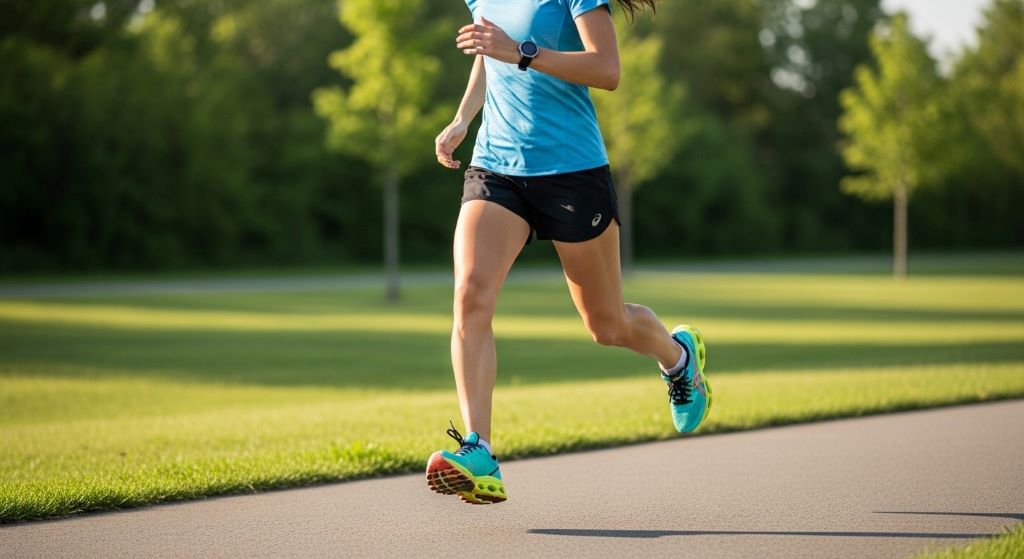
Running offers incredible benefits for cardiovascular health, mental wellbeing, and overall fitness. However, the repetitive impact of feet striking the ground can take a serious toll on your body. Each step generates force that travels through your feet, ankles, knees, and hips. Without proper protection, this constant pounding can lead to pain, discomfort, and long-term joint problems.
This is where specialized footwear makes a meaningful difference. Modern running shoes incorporate advanced technologies designed to minimize the stress placed on your lower body. Understanding how these protective features work can help you make informed choices about your footwear and potentially save your joints from unnecessary wear and tear.
Understanding Impact Forces During Running
When your foot contacts the ground during running, your body experiences forces up to three times your body weight. For someone weighing 150 pounds, this means roughly 450 pounds of force with every single step. Marathon runners take approximately 25,000 steps during a race, which translates to massive cumulative stress on the musculoskeletal system.
The human body has natural shock absorption mechanisms. Your muscles, tendons, and cartilage work together to dissipate these forces. Additionally, the natural arch of your foot acts as a spring to distribute impact. However, these biological systems have limits, especially during high-mileage training or when running on hard surfaces like concrete and asphalt.
Without adequate cushioning, the repeated impact can cause microscopic damage to joint cartilage. Over time, this damage accumulates and may contribute to conditions such as runner’s knee, shin splints, and even early-onset arthritis. Therefore, external support becomes essential for many athletes and recreational joggers alike.
How Cushioning Technology Works
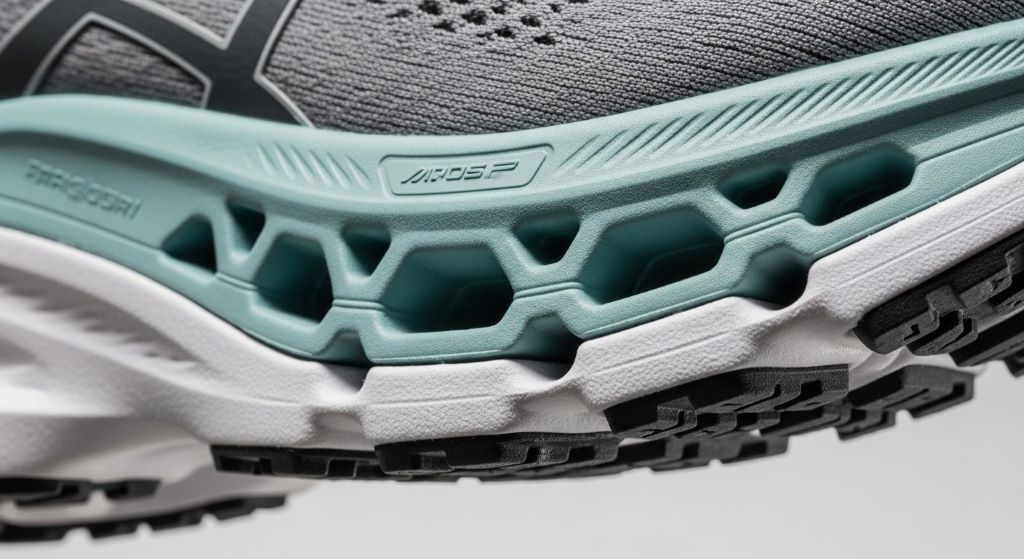
Modern running shoes use various materials and designs to reduce the shock transmitted to your body. The midsole, which sits between the outer sole and your foot, serves as the primary cushioning component. Manufacturers employ different foam compounds, each with unique properties for absorbing and dispersing impact energy.
Traditional EVA foam has been used for decades because it provides reliable cushioning at an affordable price point. However, newer materials offer enhanced performance. For example, some brands use polyurethane-based foams that maintain their cushioning properties longer than conventional options. Others incorporate gel inserts or air pockets that compress upon impact, slowing down the rate at which force reaches your joints.
The thickness and density of cushioning materials matter significantly. Softer materials compress more easily, providing a plush feeling underfoot. Firmer materials offer more stability and responsiveness. The best shoes balance these qualities to protect your joints while still allowing efficient running mechanics.
The Science Behind Impact Reduction Shoes
Impact reduction shoes utilize multiple strategies to protect your body during running. The primary mechanism involves absorbing kinetic energy before it travels up your leg. When your foot strikes the ground, specialized materials in the shoe compress and deform. This compression converts some of the impact force into heat energy, which dissipates harmlessly.
Another important feature is the heel-to-toe drop, which refers to the height difference between the heel and forefoot areas. A higher drop encourages heel striking and can reduce stress on the Achilles tendon and calf muscles. Conversely, a lower drop promotes midfoot or forefoot striking, which some research suggests may reduce knee loading.
The geometry of the sole also plays a crucial role. Curved or “rockered” designs help smooth the transition from heel strike to toe-off. This rolling motion reduces the abrupt deceleration that occurs when your foot contacts the ground, thereby minimizing peak impact forces.
Studies have shown that well-cushioned footwear can reduce the loading rate on joints by up to 20 percent compared to minimal shoes. The loading rate refers to how quickly force is applied to your body. A lower loading rate gives your muscles and tendons more time to activate and stabilize your joints, potentially reducing injury risk.
Joint-Friendly Running Shoes and Knee Protection
Your knees are particularly vulnerable during running because they must absorb and redirect substantial forces with each stride. The patellofemoral joint, where your kneecap meets the thigh bone, experiences compression forces that can exceed several times your body weight. Without proper footwear, this stress can irritate the cartilage and cause pain.
Joint-friendly running shoes address this issue through strategic cushioning placement. Extra padding in the heel and forefoot reduces the initial shock when your foot contacts the ground. This means less force travels up your shin bone to your knee joint. Furthermore, some designs incorporate medial posts or other stability features that prevent excessive inward rolling of the foot, which can contribute to knee misalignment.
Proper cushioning also helps maintain better running form when fatigue sets in. As muscles tire during long runs, they become less effective at absorbing shock. The cushioning in your shoes essentially picks up the slack, continuing to protect your knees even when your legs feel heavy and coordination suffers.
Research involving runners with knee pain has demonstrated that switching to more cushioned footwear can lead to symptom improvement. While shoes alone cannot cure existing injuries, they can reduce aggravating forces and allow the healing process to proceed more effectively.
Features to Look For in Protective Running Shoes
Selecting the right footwear requires understanding which features matter most for joint protection. First, consider the amount of cushioning. Shoes with substantial midsole thickness generally provide better shock absorption. However, excessively thick cushioning can sometimes reduce ground feel and stability, so finding the right balance is important.
Next, evaluate the cushioning materials used. Modern foams like those made from thermoplastic polyurethane tend to maintain their protective properties longer than traditional materials. Some shoes also incorporate multiple foam densities in different zones, providing targeted cushioning where you need it most.
The outsole pattern and materials affect both durability and traction. Rubber compounds that offer good grip help prevent slipping, which can reduce the risk of awkward landings that stress joints. Additionally, a well-designed outsole flexes appropriately during the gait cycle, promoting natural foot motion.
Arch support is another consideration, particularly for runners with flat feet or high arches. Proper arch support helps distribute pressure more evenly across the foot and can influence how forces travel up the leg. Some runners benefit from built-in arch support, while others prefer a neutral platform that allows their foot’s natural structure to function freely.
Finally, pay attention to the overall fit. Shoes that are too tight can cause discomfort and blisters, while those that are too loose allow excessive foot movement inside the shoe. Either situation can compromise your running mechanics and potentially increase joint stress.
Choosing the Right Shoe for Your Running Style
Different running styles place varying demands on footwear. Heel strikers, who land on their heels with each step, typically benefit from generous heel cushioning. The rear portion of their shoes endures the greatest impact, so robust protection in this area is essential.
Midfoot and forefoot strikers land further forward on the foot. These runners often prefer shoes with more uniform cushioning throughout the midsole. Since their landing pattern naturally reduces some knee loading, they may not need as much cushioning as heel strikers, though protection remains important.
Your training volume also influences shoe selection. Runners logging high weekly mileage put more wear on their shoes and subject their bodies to greater cumulative stress. These athletes often benefit from maximum cushioning to help their joints withstand the training load.
Conversely, occasional joggers who run a few miles per week might find moderate cushioning sufficient. Their lower training volume means less total impact force accumulated over time. However, this doesn’t mean minimal shoes are appropriate; adequate protection remains important regardless of running frequency.
Surface matters too. Trail runners encountering rocks, roots, and uneven terrain need shoes with protective features beyond just cushioning. Rock plates and reinforced toe caps guard against bruising, while aggressive tread patterns provide necessary traction.
Maintaining Joint Health Beyond Footwear
While impact reduction shoes and joint-friendly running shoes provide valuable protection, they represent just one component of a comprehensive joint health strategy. Strength training helps build muscle that supports and stabilizes your knees and other joints. Exercises targeting the quadriceps, hamstrings, and hip muscles are particularly beneficial for runners.
Flexibility work through stretching or yoga can improve range of motion and reduce injury risk. Tight muscles can alter running mechanics in ways that increase joint stress. Regular stretching helps maintain optimal movement patterns that distribute forces evenly.
Cross-training with low-impact activities gives your joints a break from running’s repetitive stress. Swimming, cycling, and elliptical training provide cardiovascular benefits without the constant pounding. Incorporating these activities into your routine allows damaged tissues time to repair while maintaining fitness.
Paying attention to your body’s signals is crucial. Pain is not something to ignore or “run through.” Persistent discomfort often indicates that tissues are not recovering adequately between runs. Taking rest days when needed prevents minor issues from becoming serious injuries.
Proper nutrition supports joint health from the inside. Adequate protein intake helps rebuild damaged tissues, while anti-inflammatory foods may help reduce exercise-induced inflammation. Staying well-hydrated ensures that cartilage receives the nutrients it needs to remain healthy and resilient.
When to Replace Your Running Shoes
Even the best protective footwear eventually loses its cushioning properties. The materials in the midsole break down over time, reducing their ability to absorb shock effectively. Most running shoes should be replaced after 300 to 500 miles of use, though this varies based on factors like body weight, running style, and surface.
Visual inspection can provide clues about shoe condition. Compressed or wrinkled midsole foam indicates that cushioning has degraded. Worn outsole rubber, particularly in high-wear areas, suggests the shoe has seen substantial use. Visible creasing or cracks in the midsole are clear signs that replacement is overdue.
However, cushioning can deteriorate even when the shoe still looks acceptable. If you notice increased soreness in your knees, shins, or feet despite consistent training, worn-out shoes might be the culprit. Many runners track their mileage to know when they’re approaching the replacement threshold.
Rotating between multiple pairs of shoes can extend the life of each pair. Alternating shoes allows the cushioning materials time to decompress and recover between runs. This practice also reduces the risk of developing repetitive strain injuries that sometimes occur when the same shoes are worn every day.
Conclusion
Protecting your knees and joints during running requires thoughtful attention to footwear selection. Shock absorbing running shoes with advanced cushioning technologies can significantly reduce the impact forces your body experiences with each step. By understanding how these shoes work and choosing options that match your individual needs, you can enjoy running while minimizing the risk of joint problems.
Remember that the right shoes serve as an important foundation for joint health, but they work best as part of a broader approach that includes proper training, strength work, and listening to your body. Investing in quality protective footwear and replacing shoes before they lose their cushioning properties helps ensure that running remains a sustainable, enjoyable activity for years to come.
Frequently Asked Questions
How do I know if I need extra cushioning in my running shoes?
If you experience knee pain, shin discomfort, or joint soreness during or after running, additional cushioning may help. Runners with higher body weight, those who run primarily on hard surfaces, and people with a history of joint issues often benefit from maximum cushioning. However, consulting with a running specialty store or sports medicine professional can provide personalized guidance.
Can shock absorbing shoes prevent all running injuries?
While protective footwear significantly reduces joint stress, no shoe can guarantee injury prevention. Running injuries result from multiple factors including training errors, biomechanical issues, muscle imbalances, and inadequate recovery. Shoes provide important protection but should be combined with sensible training practices and overall body care for best results.
Do heavily cushioned shoes affect running performance?
Modern cushioned shoes are designed to provide protection without sacrificing performance. Advanced materials offer both shock absorption and energy return, helping you maintain efficient running mechanics. Some competitive runners prefer lighter, less cushioned shoes for racing, but research suggests that adequate cushioning does not impair performance for most runners.
How often should I replace my running shoes for optimal joint protection?
Most experts recommend replacing running shoes every 300 to 500 miles. Runners who are heavier, run on rough surfaces, or have a heavy foot strike may need to replace shoes toward the lower end of this range. Tracking mileage and monitoring how your body feels can help determine the right replacement schedule for you.
Are expensive running shoes always better for joint protection?
Price doesn’t always correlate with joint protection. While premium shoes often feature the latest technologies, many mid-priced options provide excellent cushioning and support. The most important factors are proper fit, appropriate cushioning for your needs, and finding a shoe that matches your running style. Focus on these elements rather than price alone when selecting protective footwear.
Related Topics:
What to Know About Pagers in Healthcare


