
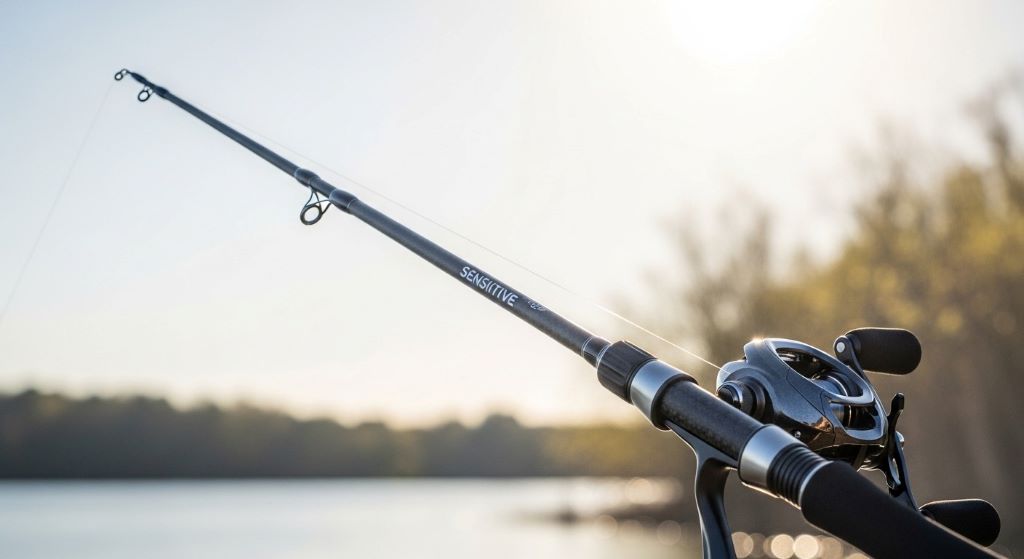
Selecting the perfect fishing rod involves balancing multiple factors. Weight matters significantly, especially during long fishing sessions when arm fatigue can ruin your day. However, lightweight doesn’t mean fragile. Modern rod technology allows you to enjoy both comfort and durability without compromise.
Understanding how different materials and construction methods affect rod performance helps you make informed decisions. Whether you’re a weekend angler or a serious fishing enthusiast, choosing the right rod can transform your experience on the water. This guide explores everything you need to know about selecting a lightweight rod that won’t let you down when you hook that trophy fish.
Why Rod Weight Matters More Than You Think
Many anglers focus solely on a rod’s power and action while overlooking weight. This oversight can lead to unnecessary fatigue and reduced casting accuracy. A lighter rod requires less energy to cast repeatedly, allowing you to fish longer without strain.
The difference between a heavy and light rod becomes especially noticeable after several hours on the water. Your casting accuracy improves with a lighter rod because you maintain better control throughout the day. Tired arms lead to sloppy casts and missed opportunities.
Additionally, sensitivity increases with lighter rods. You can feel subtle bites more easily, giving you an advantage in detecting when fish are testing your bait. This heightened sensitivity translates directly into more hookups and a better overall fishing experience.
Lighter rods also reduce stress on your wrists, elbows, and shoulders. This benefit becomes crucial as you age or if you have existing joint problems. Preventing fatigue means you can focus on technique and enjoy your time on the water rather than counting down the minutes until you can rest.
Understanding Modern Rod Materials
Rod materials have evolved dramatically over the past few decades. Today’s lightweight options offer strength that would have seemed impossible just a generation ago. Knowing the characteristics of different materials helps you choose what works best for your fishing style.
The fishing industry primarily uses three materials for rod construction. Each has distinct properties that affect weight, strength, sensitivity, and price. Understanding these differences allows you to make choices aligned with your priorities and budget.
Material technology continues advancing rapidly. Manufacturers constantly refine their processes to create rods that are lighter and stronger than previous generations. Staying informed about these developments helps you take advantage of the latest innovations.
Exploring Carbon Fiber Rods and Their Advantages
Carbon fiber rods have revolutionized modern fishing. This material offers an exceptional strength-to-weight ratio that makes it the top choice for anglers seeking lightweight performance. The construction process involves weaving carbon strands together and binding them with resin to create a stiff, responsive blank.
These rods excel in sensitivity. The stiffness of carbon allows vibrations to travel quickly from the tip to your hand, helping you detect even the lightest bites. This quality makes them particularly valuable for techniques requiring precise feel, such as jigging or fishing with soft plastics.
Weight reduction is another major benefit. Carbon fiber rods can be significantly lighter than comparable rods made from other materials. This weight savings adds up during a full day of casting, reducing fatigue and maintaining your performance level from morning until evening.
The power-to-weight ratio of these rods impresses most anglers. Despite their light feel, they can handle substantial fish without breaking. The material’s strength allows manufacturers to create thin-walled blanks that remain incredibly tough under pressure.
However, these premium rods come with higher price tags. The manufacturing process is complex and expensive, which translates to retail costs that can shock first-time buyers. For serious anglers, though, the investment often proves worthwhile.
Comparing Graphite vs Fiberglass Rods for Your Needs
When evaluating graphite vs fiberglass rods, understanding the fundamental differences helps you choose wisely. Graphite rods, often used interchangeably with carbon fiber terminology, offer stiffness and sensitivity. Fiberglass rods provide flexibility and durability at a lower cost.
Graphite excels in situations requiring quick hooksets and high sensitivity. The material’s stiffness transmits information rapidly, allowing you to react to bites instantly. Bass fishing, walleye fishing, and other techniques requiring precision benefit greatly from graphite’s characteristics.
Fiberglass rods shine in applications where flexibility matters more than weight. Their slower action works beautifully for techniques like crankbait fishing, where the rod’s flex helps keep hooks planted during the fight. They’re also more forgiving for beginners who might otherwise snap stiffer rods through improper handling.
Durability is another consideration. Fiberglass tolerates abuse better than graphite. You can bang it against rocks, drop it on the boat deck, or otherwise mistreat it without immediate consequences. Graphite requires more careful handling to prevent cracks or breaks.
Price often becomes the deciding factor for budget-conscious anglers. Fiberglass rods cost substantially less than comparable graphite models. For occasional anglers or those just starting out, this price difference makes fiberglass an attractive option despite the weight penalty.
Evaluating Rod Construction Methods
How a rod is built affects its final weight and strength as much as the materials used. Understanding construction techniques helps you identify quality rods that will perform reliably for years.
Most modern rods use either one-piece or multi-piece construction. One-piece rods offer maximum strength and sensitivity because they lack joints that can create weak points or dampen vibrations. However, they’re less convenient for transportation and storage.
Multi-piece rods solve the portability problem by breaking down into smaller sections. Modern ferrule technology has improved dramatically, minimizing the performance loss that once plagued these designs. Many anglers can’t detect any difference between a quality two-piece rod and its one-piece equivalent.
The way materials are layered during construction significantly impacts performance. Manufacturers wrap carbon or fiberglass sheets around a mandrel at specific angles. These angles determine the rod’s action, power, and responsiveness. Premium rods often use more complex wrapping patterns that optimize multiple performance characteristics simultaneously.
Wall thickness matters more than many anglers realize. Thinner walls reduce weight but require higher-quality materials to maintain strength. Cheaper rods often compensate for inferior materials by using thicker walls, which adds unnecessary weight.
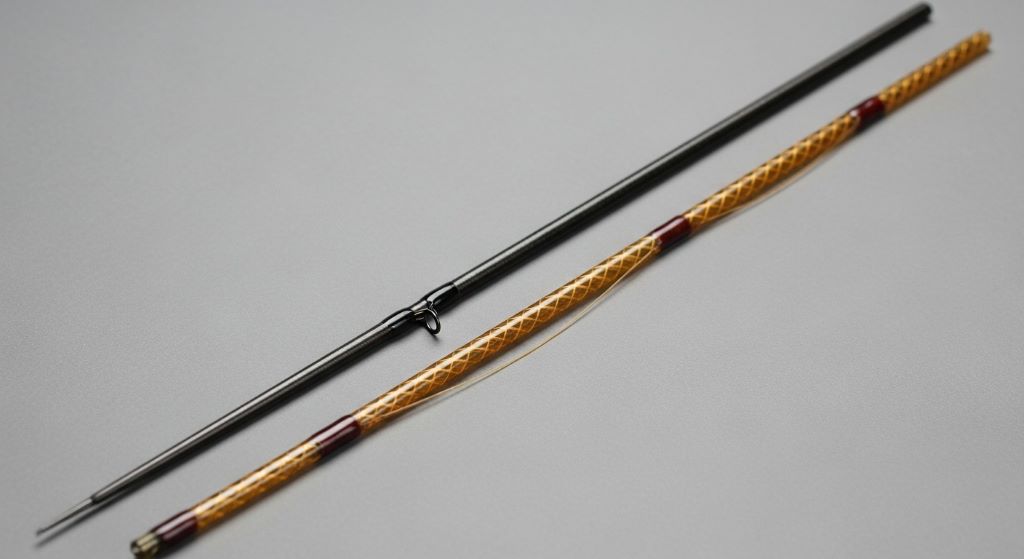
Matching Rod Weight to Your Fishing Style
Different fishing techniques have different rod weight requirements. Matching your rod to your primary fishing method ensures optimal performance and comfort throughout the day.
Finesse techniques benefit most from lightweight rods. Drop shotting, shaky head fishing, and other subtle presentations require you to feel tiny bites and detect subtle line movement. A light, sensitive rod helps you catch fish that heavier rods would miss entirely.
Power fishing techniques can utilize heavier rods without significant drawbacks. When you’re flipping heavy jigs into thick cover or working big swimbaits, the extra weight becomes less noticeable. Your focus shifts to power and backbone rather than sensitivity and comfort.
Consider your target species when selecting rod weight. Panfish and trout rarely require heavy rods, making lightweight options ideal. Bass fishing often demands a balance between sensitivity and power. Saltwater species typically need stouter rods where weight becomes less critical than pure strength.
Casting distance requirements also influence your choice. Lighter rods can achieve impressive distances with proper technique, but they require correct lure weights. Throwing very heavy lures demands a rod with more backbone, which typically means accepting some additional weight.
Decoding Rod Specifications and Ratings
Rod manufacturers provide specifications that help you understand performance characteristics. Learning to interpret these numbers allows you to shop more effectively and choose rods that match your needs.
Power ratings describe a rod’s resistance to bending. Ultra-light, light, medium-light, medium, medium-heavy, heavy, and extra-heavy represent the typical scale. Lighter power rods bend more easily and work best with smaller lures and lighter line. Heavier power rods require more force to bend and handle bigger baits and fish.
Action ratings indicate where the rod bends along its length. Fast action rods bend primarily near the tip, providing quick hooksets and excellent sensitivity. Moderate action rods bend further down the blank, offering more forgiveness and better casting performance with certain lure types. Slow action rods bend throughout their length, maximizing flexibility.
Line and lure weight ratings guide you toward appropriate tackle pairings. Exceeding these recommendations risks breaking your rod, while staying too far below them means you’re not utilizing the rod’s full potential. These ranges serve as helpful starting points, though experienced anglers often push beyond suggested limits.
Length affects casting distance, leverage, and control. Longer rods cast farther and provide more leverage when fighting fish. Shorter rods offer better accuracy and work well in tight spaces. Most anglers find seven-foot rods provide a good balance for general fishing applications.
Testing Rods Before Making Your Purchase
Whenever possible, test rods before buying them. Many tackle shops have demo programs or allow customers to hold and flex rods in the store. This hands-on evaluation provides insights that specifications alone cannot convey.
Feel the rod’s balance point. A well-designed rod balances near the reel seat, creating a natural feel in your hand. Poor balance makes the rod feel heavier than its actual weight and causes unnecessary fatigue during extended use.
Flex the rod gently to assess its action. This test helps you understand how it will behave when casting and fighting fish. Pay attention to whether the flex feels smooth or if you notice flat spots or inconsistencies.
Check the quality of components. Guides should be properly aligned and securely wrapped. The reel seat should operate smoothly without binding. Cork or EVA foam grips should be free from defects and feel comfortable in your hand.
Consider bringing your reel to the store. Mounting your actual reel on prospective rods gives you a realistic sense of how the complete setup will perform. The rod-and-reel combination’s overall balance matters more than the rod alone.
Understanding the Price-Performance Relationship
Rod prices range from twenty dollars to several hundred dollars or more. Understanding what you gain at different price points helps you make smart purchasing decisions based on your budget and commitment level.
Entry-level rods typically use basic materials and simpler construction methods. They’ll catch fish but often feel heavier and less sensitive than premium options. For beginners or occasional anglers, these budget-friendly choices make perfect sense.
Mid-range rods offer substantial improvements in materials and construction. They typically use better grades of graphite or carbon fiber, resulting in lighter weight and increased sensitivity. Most serious anglers find this price category provides the best value for regular use.
Premium rods incorporate the latest materials and manufacturing techniques. They’re noticeably lighter and more sensitive than cheaper alternatives. Whether these improvements justify the cost depends on your fishing frequency, skill level, and personal preferences.
Diminishing returns occur at the highest price levels. The difference between a three-hundred-dollar rod and a six-hundred-dollar rod is often less dramatic than the gap between a hundred-dollar rod and a three-hundred-dollar rod. Elite-level rods cater to tournament anglers and enthusiasts who want the absolute best available.
Maintaining Your Lightweight Rod for Longevity
Proper care extends your rod’s lifespan and maintains its performance characteristics. Lightweight rods often require more careful handling than their heavier counterparts, making maintenance practices especially important.
Rinse your rod with fresh water after each fishing trip, particularly after saltwater exposure. Salt crystals can corrode guides and damage finishes over time. A quick rinse takes only minutes but prevents long-term problems.
Store rods properly to prevent warping or damage. Vertical storage in rod racks keeps them straight and organized. Horizontal storage works fine if rods are fully supported along their length. Avoid leaning rods in corners or storing them under heavy items.
Inspect guides regularly for cracks or damage. Damaged guides create rough spots that fray fishing line. Replacing a guide costs much less than replacing an entire rod, so address problems promptly when you notice them.
Protect rod tips during transport and storage. Rod tip protectors or rod socks prevent the most common type of damage. The thin tips on lightweight rods are particularly vulnerable to breaks if handled carelessly.
Considering Multi-Rod Solutions for Versatility
Many anglers find that owning multiple rods allows them to optimize their approach for different situations. Rather than seeking one perfect rod, building a small collection provides flexibility for various techniques and species.
A versatile three-rod arsenal might include a medium-light spinning rod for finesse techniques, a medium-heavy casting rod for power fishing, and a medium-power rod that bridges the gap between them. This combination covers most freshwater fishing scenarios without requiring a large investment or storage space.
Specialty rods enhance your effectiveness for specific techniques. A dedicated crankbait rod with moderate action casts these lures beautifully and keeps hooks planted during fights. A flipping stick with heavy power and fast action excels at pulling bass from thick cover.
Travel considerations might lead you toward multi-piece rods that break down for easy transport. Modern four-piece travel rods perform remarkably well while fitting into carry-on luggage. This convenience allows you to fish during business trips or vacations without checking bulky rod tubes.
Recognizing When to Upgrade Your Current Rod
Knowing when to replace or upgrade your rod helps you maintain optimal performance. Several signs indicate it’s time to consider new equipment.
Obvious damage like cracks, broken guides, or loose reel seats require immediate attention. Sometimes repairs make sense, but often replacement proves more cost-effective, especially for budget-level rods.
Performance degradation occurs gradually over time. If your rod no longer feels as crisp or responsive as when you bought it, it may have developed micro-fractures or resin breakdown. These invisible issues compromise strength and sensitivity.
Improved skills justify equipment upgrades. As you become more proficient, you’ll notice limitations in entry-level equipment. A better rod helps you continue developing your abilities rather than being held back by inadequate gear.
Changes in your primary fishing techniques might necessitate different rods. If you transition from bass fishing to trout fishing, or from shore fishing to kayak fishing, your rod requirements change accordingly.
Making Your Final Selection With Confidence
Choosing a lightweight rod that maintains strength requires balancing multiple factors. Consider your fishing style, target species, budget, and skill level when making your decision.
Start by identifying your primary fishing applications. This focus helps narrow your choices to rods designed for your specific needs. Don’t get distracted by features that sound impressive but don’t align with how you actually fish.
Set a realistic budget before you start shopping. Knowing your price range helps you focus on appropriate options rather than wasting time dreaming about rods you won’t buy. Remember that you’ll also need a quality reel and line to complete your setup.
Read reviews from other anglers who fish similarly to you. Their real-world experiences provide valuable insights that supplement manufacturer specifications. Look for patterns in feedback rather than focusing on isolated complaints or praise.
Trust your own judgment when you handle a rod. If it feels right in your hands and meets your requirements, it’s probably a good choice regardless of what others say. Your comfort and confidence matter more than following arbitrary rules or trends.
Conclusion
Selecting a lightweight fishing rod without sacrificing strength is entirely achievable with modern materials and construction techniques. Carbon fiber rods offer exceptional performance for anglers willing to invest in premium equipment. Understanding graphite vs fiberglass rods helps you match materials to your fishing style and budget.
The key lies in understanding how different materials, construction methods, and design features affect overall performance. Weight matters significantly for comfort and sensitivity, but it must be balanced with adequate strength for your target species. Testing rods before purchase, when possible, provides valuable hands-on information that specifications alone cannot convey.
Remember that the perfect rod varies from angler to angler. Your fishing techniques, target species, and personal preferences should guide your decision more than popular opinion or marketing hype. By considering all the factors discussed in this guide, you can confidently select a lightweight rod that enhances your fishing experience without compromising reliability when you hook into that fish of a lifetime.
Frequently Asked Questions
How much should I expect to spend on a quality lightweight fishing rod?
Quality lightweight rods typically range from one hundred fifty to three hundred dollars. This mid-range price point offers excellent materials and construction without the premium pricing of elite models. However, your budget should align with how frequently you fish and your skill level. Beginners can find capable lightweight options for under one hundred dollars, while serious anglers might invest five hundred dollars or more in specialized rods.
Can lightweight rods handle big fish effectively?
Yes, modern lightweight rods can handle surprisingly large fish when properly designed. The key is choosing appropriate power and action ratings for your target species. A lightweight medium-heavy rod built with quality materials can land bass, walleye, and similar-sized fish without problems. However, extremely light rods designed for panfish won’t handle trophy-sized fish well regardless of material quality.
Do carbon fiber rods break more easily than fiberglass rods?
Carbon fiber rods can be more brittle than fiberglass when subjected to sharp impacts or improper handling. They’re incredibly strong under normal fishing stress but may crack if hit against hard objects or caught in car doors. Fiberglass tolerates abuse better but weighs more. With proper care, quality carbon fiber rods last many years without issues. The breakage concern is often overblown among anglers who handle their equipment responsibly.
How do I know if a rod is truly lightweight or just marketed that way?
Compare the actual weight specifications rather than relying on marketing terms. Manufacturers typically list rod weights in ounces. Generally, rods under four ounces qualify as lightweight for most applications. You can also compare weights across similar models from different brands. Holding the rod and comparing it to others in the store provides immediate feedback about whether the weight difference is significant enough to matter for your purposes.
Is there a significant performance difference between one-piece and two-piece lightweight rods?
Modern two-piece rods perform nearly identically to one-piece versions thanks to improved ferrule technology. Most anglers cannot detect any difference in sensitivity or power between quality one-piece and two-piece designs. The choice usually comes down to transportation and storage convenience rather than performance. Two-piece rods offer practical benefits for traveling anglers without meaningful performance sacrifices in most fishing situations.
Related Topics:
Northern Ireland, from Belfast to Derry
Best Surf Fishing Rods for Beginners: What Actually Matters