Key Takeaways
- Open-plan layouts make rooms feel spacious and inviting.
- Biophilic design integrates nature for improved well-being.
- Smart storage removes clutter and increases functionality.
- Handcrafted features add character and authenticity.
- Modular construction streamlines the building process and increases sustainability.
Designing your own home is a significant journey that allows you to customize every aspect to fit your needs and aspirations. By employing creative, modern approaches, you can design living spaces that reflect your vision while optimizing daily comfort and efficiency. Investing in custom homes provides homeowners with a unique canvas to experiment with new concepts that may not be achievable in a standard build. The right design strategies can help turn the dream of a personalized sanctuary into a reality.
Every custom residence can be both timeless and practical, provided it is crafted with attention to detail and future needs in mind. Whether you wish to embrace contemporary aesthetics or introduce features that capture your personality, building a home tailored to your lifestyle creates lasting value. Understanding the range of possibilities available today can truly transform what home means to you. One excellent starting point is choosing a home builder with experience and innovation at the forefront.
Open-Plan Living
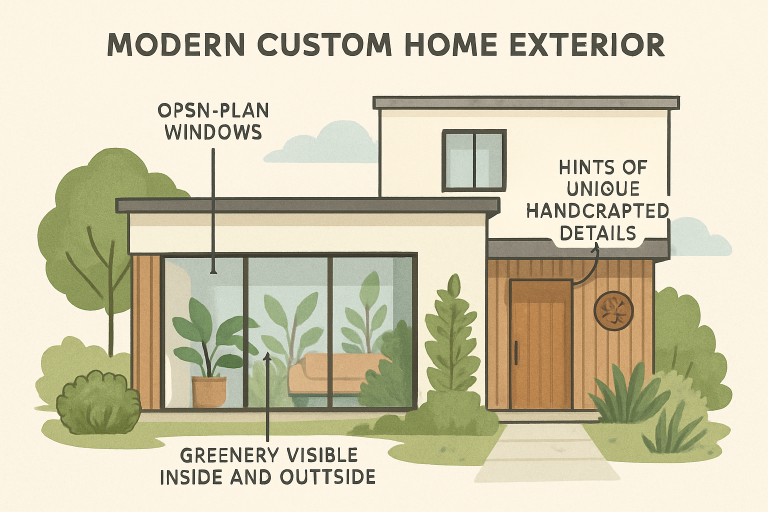
Today’s custom homes often feature open-plan layouts to promote seamless movement, greater natural light, and a more social flow between spaces. By removing unnecessary walls and barriers, the kitchen, dining room, and living room become interconnected, giving the home a sense of airiness and adaptability. Working with an experienced home builder can help ensure these design choices are executed effectively and safely. To avoid feeling too cavernous, consider using features such as kitchen islands or strategically placed bookshelves that serve as subtle room dividers while preserving openness. Consistent flooring choices and multipurpose furniture can further enhance continuity, elevating both beauty and practicality in an open-plan environment. According to The New York Times, this approach is especially beneficial for families seeking togetherness and for entertaining guests comfortably.
Biophilic Design Integration
Biophilic design is gaining traction in the world of custom home building. This concept emphasizes the connection between people and nature by bringing natural elements like plants, sunlight, water, and natural textures into the residential environment. For example, incorporating living walls or indoor gardens can purify the air and reduce stress. Large windows framing natural views let in abundant daylight. Choosing finishes such as exposed timber beams or stone accents further roots the home in its environment.
Smart Storage Solutions
Great custom home design extends beyond surface appeal and focuses on functionality. Smart storage is critical for maintaining an organized, tidy, and attractive living space. Built-in cabinetry, shelves, and closets tailored to your routines and hobbies make the most of every inch. Consider under-stair storage, concealed pantry doors, or customized mudrooms. Bespoke solutions keep daily essentials out of sight but within reach, and can even transform underused areas such as alcoves or attics into valuable spaces. Forward-thinking storage not only declutters but enhances the sense of calm throughout the home.
Handcrafted and Locally Sourced Features
Personal touches help make a custom house truly your own. Incorporating locally sourced materials and elements made by local artisans adds both a sense of place and supports the community. Hand-painted tiles, wood joinery by regional craftsmen, or wrought-iron details offer a unique flair that cannot be replicated by mass-produced products. Homeowners may wish to highlight exposed brick, reclaimed wood, or custom lighting fixtures. Commissioning these features creates a direct link to your locale and imbues the home with character that stands the test of time.
Modular and Off-Site Construction
Modular construction and off-site building are innovative methods for reducing build times and minimizing waste. Prefabricated sections of your home are constructed in controlled environments, then transported and assembled on site. This approach results in consistent quality, fewer weather delays, and can fit a range of lot sizes and locations from compact city infill sites to spacious rural properties. Modular builds also tend to be more energy-efficient, as panels fit together tightly and materials are used more sustainably. Planning for adaptability, such as spaces that can convert into home offices or additional bedrooms, makes modular construction a versatile choice that can grow with your needs.
Final Thoughts
Pursuing a custom home allows you to shape your surroundings and lifestyle from the ground up. By adopting open-plan layouts, integrating biophilic features, prioritizing smart storage, supporting local craftsmanship, and considering modular construction, your home can become a timeless, sustainable, and deeply personal retreat. Thoughtful strategy in the design phase ensures that this important investment enriches your daily living and adapts seamlessly to future changes.