Key Takeaways
- Modern insulation materials are highly effective at reducing energy loss and managing costs.
- Upgrading insulation is key to maintaining even indoor temperatures and quieter living spaces.
- Improvements in insulation technology help create healthier home environments by controlling humidity and improving air quality.
Choosing the right insulation for your home is an important step toward making your property more energy efficient, comfortable, and sustainable. Recent advancements in insulation technology have transformed homeowners’ expectations for comfort, health, and environmental impact. Understanding these benefits can help you make informed choices about updating or upgrading your home’s insulation.
The decision to upgrade insulation goes far beyond simply reducing heating or cooling bills. Proper insulation acts as a thermal barrier, maintaining steady indoor temperatures year-round. It also protects your home from outdoor noise pollution and helps manage moisture and air quality. For many homeowners in Massachusetts and other regions with extreme temperatures, modern insulation is a critical investment for both comfort and property value.
Innovations in insulation materials now provide long-lasting performance and help prevent air leaks around windows, doors, and other gaps. This results in more efficient energy use, leading to significant reductions in monthly utility costs. Furthermore, many of these products are more sustainable and safer than older alternatives.
When considering upgrading or installing insulation, it is important to work with a reputable insulation company that specializes in the latest materials and techniques. They can assess your home’s unique needs for maximum results and peace of mind.
Energy Efficiency and Cost Savings
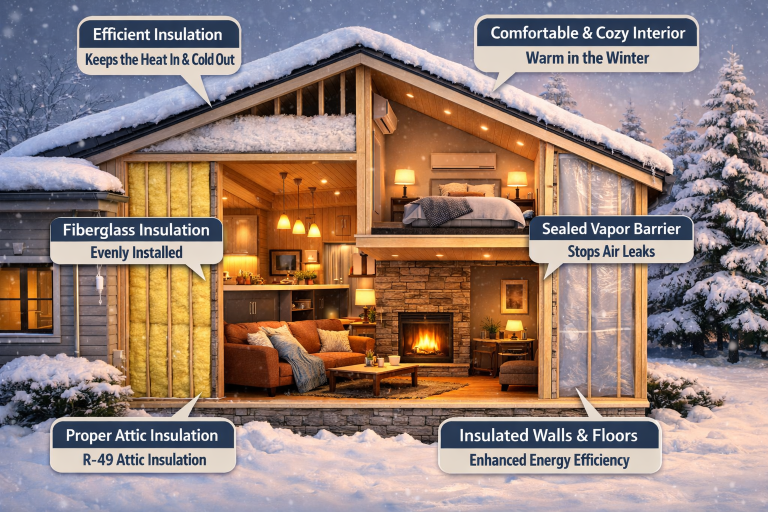
One of the leading benefits of modern insulation solutions is the impressive improvement in energy efficiency. New insulation materials, such as closed-cell spray foam and rigid foam boards, are engineered to provide higher R-values (a measurement of insulation’s resistance to heat flow) compared to older products. By effectively sealing a home’s envelope, these insulation types prevent costly winter heat loss and reduce summer cooling needs. According to the U.S. Department of Energy, proper insulation and air sealing can cut heating and cooling costs by up to 15 percent for homeowners. This energy reduction not only translates into lower monthly utility payments but also makes your home more eco-friendly by reducing its overall energy demand.
Enhanced Indoor Comfort
Current insulation solutions go far beyond energy savings. A well-insulated home is more comfortable because it maintains a stable temperature year-round, minimizing cold drafts in chilly months and stifling heat on hot days. This comfort extends to every room, regardless of its position within the house. Insulation also plays a major role in minimizing temperature swings caused by weather changes, reducing wear and tear on heating and cooling systems, and ensuring a consistently pleasant living environment.
Healthier Living Environment
Modern insulation options improve indoor air quality and create a healthier home environment. High-quality insulation helps control indoor humidity, limiting the build-up of moisture that can lead to mold growth and related health problems. Some modern insulation products are even treated with mold inhibitors for additional protection. Effective insulation also reduces drafts and the infiltration of outdoor pollutants and allergens, which is critically important for residents with sensitivities or respiratory conditions.
Noise Reduction
In addition to energy performance and comfort, many new insulation materials are engineered to act as sound barriers. Spray foam and mineral wool, in particular, are known for their ability to dampen noise from external sources, such as busy roads or neighbors, and to limit sound transmission between rooms in the home. The result is a quieter, more peaceful indoor environment that supports rest and concentration.
Environmental Impact
Reducing the amount of energy required to heat and cool a home significantly lessens your property’s carbon footprint. Many modern insulation materials are made with recycled content or sustainable resources, further reducing their environmental impact. Installing efficient insulation supports community and global efforts to conserve energy and mitigate climate change, and also positions your home as a more desirable and responsible asset for future resale.
Choosing the Right Insulation Material
The selection of appropriate insulation depends on numerous factors, including regional climate, building age, existing insulation, and specific structural challenges. Options such as fiberglass, cellulose, spray foam, and rigid foam each offer unique advantages for different parts of a building, from attics and walls to basements and crawl spaces. Partnering with a knowledgeable insulation provider ensures the best match for your needs and optimal performance over the life of your home.
Conclusion
Modern insulation is a powerful investment that yields benefits in comfort, efficiency, and home value. Reduced utility expenses, quieter environments, better air quality, and less environmental impact are among the top reasons homeowners are turning to upgraded insulation solutions. Whether you are building a new property or remodeling an existing one, choosing advanced insulation materials and working with the right professionals will make a noticeable difference for years to come.