
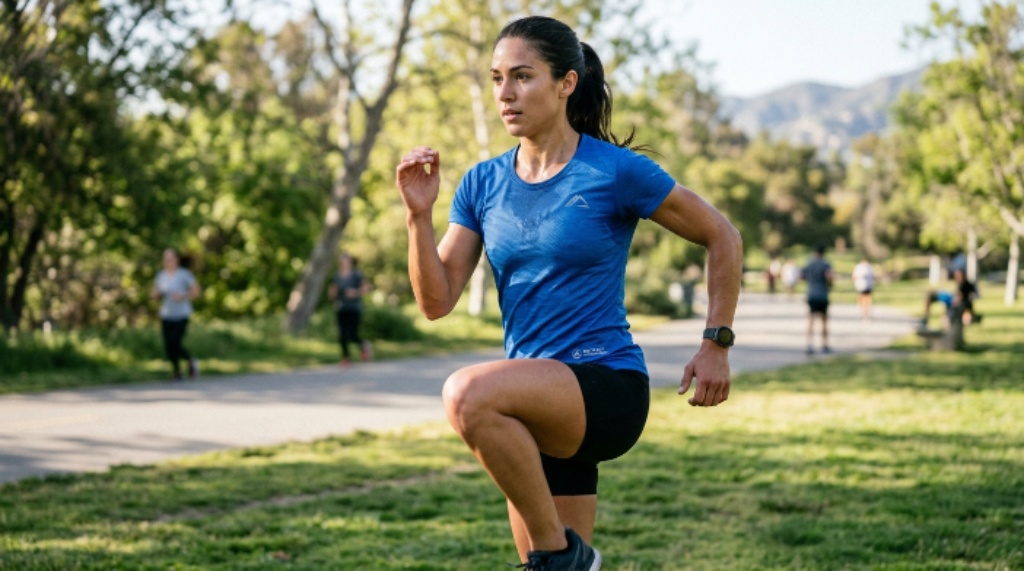
Working out hard means sweating a lot. When your shirt gets soaked and heavy, it slows you down. It can also cause skin irritation and discomfort. That is why choosing the right quick-dry t-shirt matters more than most people think. The right shirt keeps you cool, dry, and focused. This guide walks you through everything you need to know before you buy.
Why Quick-Dry Fabric Makes a Real Difference
Cotton feels soft and comfortable off the gym floor. However, it soaks up sweat like a sponge. Once it gets wet, it stays wet. This adds weight to your shirt and traps heat against your skin.
Quick-dry fabrics work differently. They pull sweat away from your body and spread it across the surface of the shirt. This process is called moisture-wicking. The sweat then evaporates faster. Therefore, you stay cooler and more comfortable during even the most intense training sessions.
Modern athletic wear uses synthetic blends like polyester, nylon, and spandex to achieve this effect. These materials are lightweight, breathable, and built to perform. Some shirts also combine natural fibers like bamboo or merino wool with synthetics. This gives you softness along with quick-dry performance.
Key Features to Look for in a Quick-Dry Workout Shirt
Not all quick-dry shirts are created equal. Some are designed for light activities like yoga or walking. Others are built for high-intensity workouts like HIIT, CrossFit, or long-distance running. Knowing what to look for helps you make the right choice.
Moisture-Wicking Technology
This is the most important feature. Look for shirts that specifically mention moisture-wicking on the label. The fabric should draw sweat toward the surface so it can evaporate quickly. Without this technology, a synthetic shirt will still feel damp and clingy.
Breathability
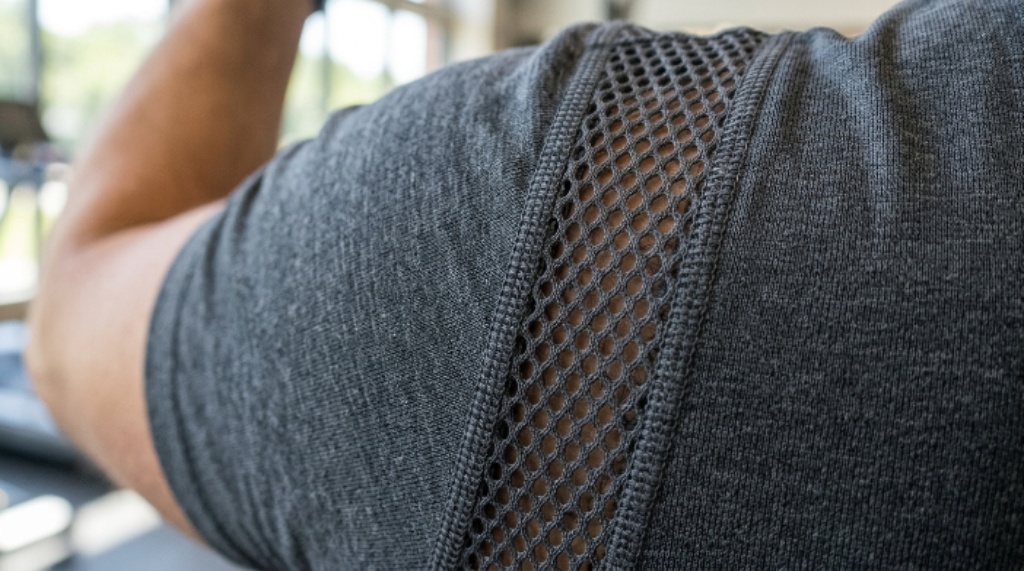
A good workout shirt needs to let air move through it. Mesh panels are a great sign. These small, open-weave sections allow airflow to reach your skin directly. They are often placed at the back, underarms, or sides of the shirt. Additionally, the overall weave of the fabric matters. Looser knits tend to breathe better than tight ones.
Fit and Range of Motion
Your shirt should not restrict your movement. Look for a fit that feels snug but not tight. Too loose, and the fabric bunches up during movement. Too tight, and it limits your range of motion. Many performance shirts use a small percentage of spandex or elastane to add stretch. This helps the shirt move with your body naturally.
Odor Resistance
Sweat itself does not smell. The bacteria that grows in moist fabric causes odor. Many quick-dry shirts now include antimicrobial treatments. These treatments slow down bacterial growth and keep your shirt smelling fresher for longer. Therefore, you can often get more than one wear out of a shirt before washing it.
Weight of the Fabric
For intense workouts, go lighter. Heavier fabrics take longer to dry and feel more restrictive during movement. Lightweight fabrics feel almost invisible on the skin. They dry quickly and do not add unnecessary bulk. Look for shirts under 150 grams per square meter for intense training sessions.
Understanding Fabric Types
Choosing the right material is at the heart of picking the best shirt. Here is a quick look at the most common options.
Polyester
Polyester is the most widely used fabric in performance shirts. It is affordable, durable, and dries extremely fast. However, it can trap odors over time if not properly treated. Most budget-friendly athletic wear and performance shirts are made from polyester or a polyester blend.
Nylon
Nylon is smoother than polyester and tends to feel softer against the skin. It is also highly durable. Additionally, nylon stretches more naturally, which makes it a great choice for high-intensity movement. The downside is that it can cost more than polyester.
Polyester-Spandex Blend
This combination gives you the best of both worlds. Polyester provides moisture management and durability. Spandex adds stretch and flexibility. Many athletes prefer this blend because the shirt moves with them during complex or explosive movements.
Bamboo Blends
Bamboo fabric is naturally soft and has some moisture-wicking properties. It also tends to be more eco-friendly than fully synthetic options. However, pure bamboo is not as quick-drying as polyester. Shirts that blend bamboo with synthetic fibers offer a good middle ground between comfort and performance.
How to Choose the Right Fit for Your Workout Type
The best shirt for running may not be the best shirt for lifting weights. Your workout type should influence your choice.
For running and cardio, choose a shirt with a slightly looser fit. This allows air to circulate around your body more freely. Mesh panels are especially helpful here. Additionally, longer shirt lengths prevent the hem from riding up during movement.
For weight training and CrossFit, a more fitted shirt works better. It stays in place during lifts and does not get caught in equipment. Look for a shirt with four-way stretch so you can move through a full range of motion without restriction.
For team sports like basketball or soccer, look for shirts designed for that specific sport. These are usually cut with sport-specific movements in mind. They also tend to be more durable since they endure more contact and friction.
Tips for Getting the Best Value
Spending more does not always mean getting a better shirt. However, extremely cheap shirts often cut corners on fabric quality or technology. Here are a few tips to help you find value.
- Read the fabric composition label. Look for at least 80% polyester or nylon in a performance shirt.
- Check for flatlock seams. These lie flat against the skin and reduce chafing during long sessions.
- Look for UPF ratings if you train outdoors. A UPF 30 or higher rating offers sun protection during outdoor workouts.
- Try the shirt on if possible. Move your arms up and overhead. If the hem lifts and exposes your stomach, the shirt is too short for intense training.
- Wash the shirt once before wearing it to the gym. This removes any manufacturing residues and softens the fabric slightly.
Care Tips to Make Your Shirts Last Longer
Even the best quick-dry shirt will wear out fast if you do not care for it properly. Follow these simple steps to extend its life.
Wash your shirts in cold water. Hot water can break down the moisture-wicking coating over time. Additionally, avoid fabric softeners. They clog the small pores in synthetic fabric and reduce its ability to wick moisture. Air dry whenever possible. High heat from a dryer weakens synthetic fibers. If you must use a dryer, choose the lowest heat setting.
Turn your shirts inside out before washing. This helps protect the outer surface and removes bacteria more effectively. Also, try to wash your workout shirts soon after each session. Leaving sweat-soaked fabric sitting in a bag for days encourages bacteria growth and can permanently set odors.
Conclusion
Picking the right quick-dry t-shirt does not have to be complicated. Start with the fabric. Polyester and nylon blends are your best options for intense workouts. Look for moisture-wicking technology, breathability, and a fit that matches your activity. Additionally, check for antimicrobial treatments and flatlock seams for added comfort. Take care of your shirts properly and they will last through hundreds of workouts. The right shirt keeps sweat off your skin, your body cool, and your focus sharp where it belongs — on your training.
Frequently Asked Questions
What is the best fabric for a quick-dry workout t-shirt?
Polyester is the top choice for most athletes. It wicks moisture efficiently, dries fast, and holds up well over time. Polyester-spandex blends are even better for high-movement workouts because they add stretch and flexibility.
Can I use a cotton t-shirt for intense workouts?
You can, but it is not ideal. Cotton absorbs sweat heavily and stays wet for a long time. This adds weight to your shirt and can cause chafing or skin irritation during long or intense sessions. A moisture-wicking shirt is a much better option.
How often should I wash my workout shirts?
Ideally, after every use. Sweat left in fabric creates an environment for bacteria to grow. Washing promptly keeps odors away and extends the life of the shirt. Use cold water and skip the fabric softener.
Are expensive performance shirts worth the money?
Not always. Many mid-range shirts offer the same core features as premium brands. Focus on fabric composition and construction quality rather than brand names. A well-made shirt in the $25 to $50 range can perform just as well as one costing three times as much.
What does UPF mean on a workout shirt?
UPF stands for Ultraviolet Protection Factor. It measures how much UV radiation the fabric blocks. A UPF 30 rating means the shirt blocks about 97% of UV rays. This is especially useful if you train outdoors and want sun protection without sunscreen.
Related Topics:
