Maintaining your septic system is essential for preventing system failures, avoiding costly repairs, and protecting both your property and the environment. Whether you are a new homeowner or have had a septic system for years, understanding best practices is the key to a worry-free experience. If you’re looking for professional assistance, trusted local septic services can help keep your system running smoothly and efficiently.
A neglected septic tank can lead to unpleasant backups, unsanitary conditions, and environmental hazards, including groundwater contamination. Adopting a proactive approach to maintenance, from scheduling regular inspections to using septic-safe household products, can significantly extend the life of your system and ensure it functions as intended. Staying informed about system care also helps you comply with local regulations and contribute positively to your community’s health.
Regular Inspections and Pumping
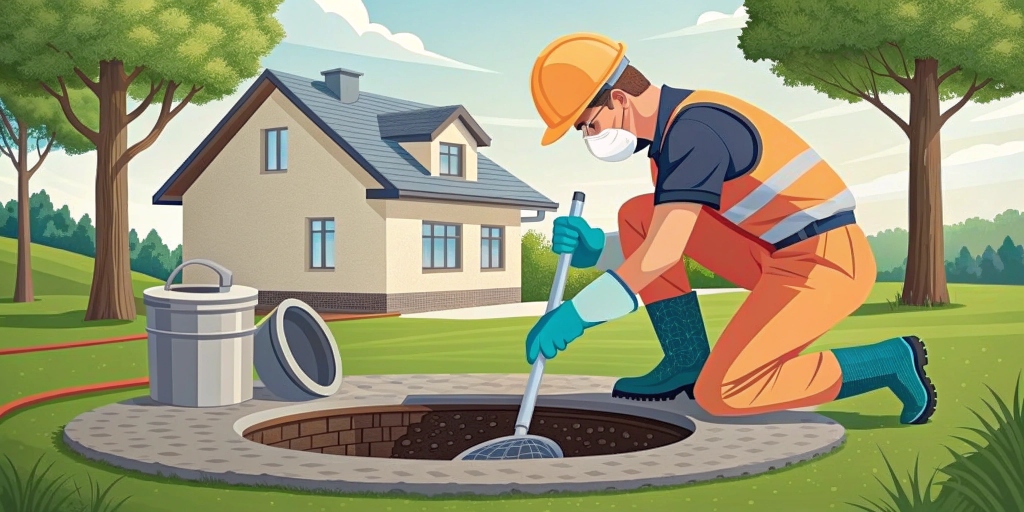
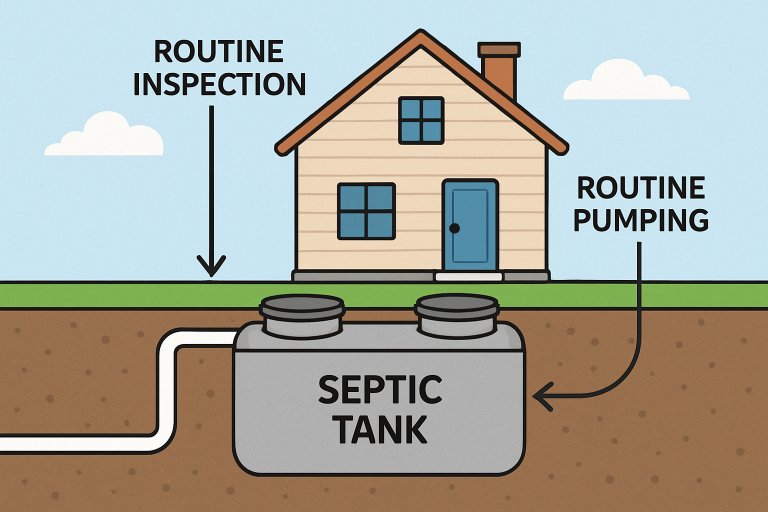
Routine inspections and timely pumping are the most important steps in septic maintenance. The U.S. Environmental Protection Agency recommends having your system checked by a qualified professional every three years, with pumping typically required every three to five years, depending on the system’s size and usage. During inspections, technicians assess tank sludge levels, look for leaks, and evaluate the overall condition of your system. Preventive maintenance ensures the system operates properly and minimizes the risk of emergency repairs.
Water Conservation
Every drop of water entering your septic tank must be processed, so limiting water usage helps maintain system health. Install water-saving toilets, low-flow showerheads, and energy-efficient dishwashers to reduce your household’s water output. Distribute water-intensive activities, such as laundry and bathing, throughout the week to avoid overwhelming the system all at once. Practicing water conservation not only protects your septic system but also supports broader efforts to preserve community water resources.
Proper Waste Disposal
Be mindful of what you flush or pour down the drain. Non-biodegradable items, such as wipes, diapers, and sanitary products, should never be flushed, even if they are labeled as “flushable.” These items can clog pipes and put a strain on the system. Fats, oils, and grease should be discarded in the trash—not down the sink—as they solidify and cause blockages. Avoid pouring paint, chemical cleaners, or medications into your septic system, as these substances harm the beneficial bacteria needed for breaking down waste.
Protecting the Drainfield
The drainfield is a crucial component in wastewater treatment, enabling filtered water to re-enter the environment safely. Avoid parking vehicles, placing sheds, or storing heavy items over the drainfield to prevent soil compaction and damage to the underlying pipes. Taking these precautions can also reduce the need for expensive septic tank repair, as keeping the system intact prevents common failures. Plant only grass or shallow-rooted plants above it, as tree roots can invade and block system components. Ensure that roof gutters and stormwater are directed away so excess water doesn’t overwhelm the drainfield, reducing its ability to treat wastewater efficiently. These simple steps safeguard the system and help maintain its long-term functionality.
Avoiding Hazardous Chemicals
Harsh chemicals—including solvents, pesticides, bleach, and antibacterial cleaners—can disrupt the essential microbial balance within your septic tank. These bacteria are essential for decomposing waste, and their absence can lead to accelerated tank clogs and system backups. Take hazardous household materials to your local disposal facility instead of flushing or pouring them down sinks. Maintaining this delicate balance ensures your septic system functions optimally while also preventing harmful substances from contaminating groundwater supplies.
Using Septic-Safe Products
Whenever possible, opt for products that are specifically labeled as septic-safe. Biodegradable soaps, detergents, and cleaning solutions will not interfere with the waste decomposition process in your tank. Avoid using phosphate-heavy cleaners, which can cause algae growth and environmental contamination if they escape the system. Choose laundry and dishwashing products with minimal chemical additives to help maintain bacterial action in your septic tank.
Landscaping Considerations
Careful landscaping around your septic system prevents mechanical and root damage. Keep trees, shrubs, and deep-rooted plants at least 30 feet away from your septic tank and drainfield. Avoid constructing decks, patios, or other permanent structures over system components to maintain accessibility for inspections and repairs. Grass is the safest choice for ground cover and helps prevent erosion. By making informed landscaping choices, you can prevent future disruptions and maintain access to your septic system for routine maintenance.
Educational Resources
Utilize educational materials from trusted sources to stay current with the latest best practices in septic care. Informing yourself and your household is the best investment in your property’s long-term health and value.
Committing to these best practices will help you avoid unwanted surprises, protect your investment, and support the health and well-being of your community and the environment. Proactive maintenance and responsible use are the foundations of a reliable, long-lasting septic system.